Free lawyer check within 24 hours

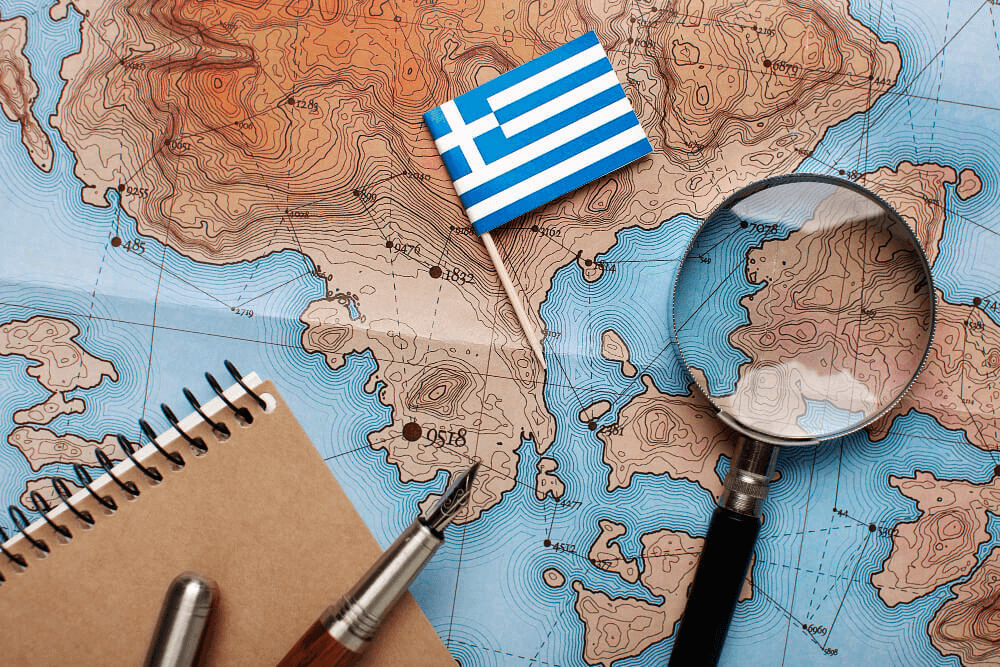
The advantages of doing business in Greece create a highly attractive investment environment when combined with strategic trade access within the European Union, strong logistics networks, a growing technology ecosystem, tourism-driven economic dynamism, and extensive incentive programs offered to foreign investors. The country’s geographical position provides simultaneous access to the Eastern Mediterranean, Balkan, and European markets, generating a productive operational landscape for service, manufacturing, and trade sectors alike. Recent reforms—such as streamlined digital company registration, reduced corporate tax rates, and strengthened support mechanisms for foreign entrepreneurs—have turned Greece into a notable economic center for international investors. Within this economic framework, a well-planned corporate structure ensures cost efficiency, strategic growth, and long-term sustainability.
Company types in Greece are designed to offer flexible solutions for businesses of various scales. The limited liability company, joint-stock company, and private enterprise structures provide different advantages depending on investment goals.
Over the last decade, SMEs have accounted for nearly 90% of all businesses in Greece, demonstrating how widely flexible legal structures are used. Therefore, choosing the appropriate legal structure is essential for operational efficiency.
The I.K.E model stands out with its low capital requirement, flexible partnership structure, fast registration process, and compatibility with digital systems. Most foreign investors prefer this type of company. Its simple governance system and ability to be established by a single partner make it particularly appealing.
E.P.E offers a more traditional structure, while A.E is favored by large-scale companies requiring corporate governance. The A.E model is suitable for companies planning public offerings or aiming to work with a broad investor base.
In an A.E, the board of directors, audit mechanisms, and shareholder relations are clearly defined. This clarity makes it easier to manage large capital flows, high-volume production, and long-term investments.
Sole proprietorships are suitable for professional service providers, consulting firms, or small-scale trade activities. However, the level of risk and personal liability is higher for foreign investors.
Documents required for company formation verify the investor’s identity, define the scope of activities, and demonstrate compliance with legal requirements. Proper preparation ensures that the process progresses smoothly.
Passport copy
Proof of address
Power of attorney (if applicable)
Articles of Association
Manager and partner information
Tax office registration documents
These documents must be presented with notarization and certified translation. Their accuracy is carefully reviewed by the Greek Commercial Registry.
The Articles of Association define the company’s activity areas, capital structure, shareholder ratios, and managerial powers. According to Greek Commercial Law, the document must align fully with the declared activity scope.
The registered address serves as the company’s official communication center. Many investors begin with virtual or shared office spaces.
Thanks to digitalization, company formation procedures in Greece can be completed quickly. The One-Stop Service system consolidates most processes under a single platform.
The investor selects a suitable company structure based on sector and capital requirements. I.K.E is the most popular due to its flexibility.
The document is notarized and registered with the Commercial Registry. Correct activity definitions are crucial.
Both the company and its managers must obtain an AFM. Tax obligations are managed under this number.
The company is registered through the GEMI system. After approval, the operation certificate is issued.
Capital must be deposited into the company’s bank account. Banks conduct strict due-diligence checks for foreign investors.
VAT registration depends on the business activity. Most companies follow monthly reporting procedures.
The electronic invoicing system records all commercial transactions and facilitates tax compliance.
Greece offers one of the most competitive tax structures within the EU for investors. Reduced corporate tax rates and expanded innovation incentives enhance its appeal.
Corporate tax rates have been gradually reduced, particularly benefiting SMEs and technology-oriented enterprises. Incentive levels vary according to income brackets and business categories.
VAT rates differ across sectors. Reduced VAT applies to tourism, agriculture, food production, and other essential industries, lowering operating costs.
Greece maintains an extensive network of treaties, reducing the tax burden on companies operating internationally and preventing double taxation.
Attractive incentives are offered for R&D investments, renewable energy projects, tourism ventures, logistics centers, and digital transformation initiatives. Many of these programs are supported through government funding.
Greece’s economic structure supports the development of sustainable business models.
Companies established in Greece benefit from free trade within the European Union, providing significant cost and speed advantages for exporters.
Greece is one of the few countries offering simultaneous access to European, Balkan, Middle Eastern, and African markets. This makes it a valuable center for logistics, transportation, and supply chain companies.
Greece welcomes millions of visitors annually. The tourism and hospitality sectors offer high revenue potential, supporting growth in restaurants, hotels, investment tourism, and consulting businesses.
Office rentals, labor costs, and overall operational expenses are lower than in Western Europe, benefiting start-ups and SMEs.
Understanding Greek business culture enables long-term, efficient, and productive business relationships.
Communication is warm, relational, and trust-oriented. Building mutual trust during meetings is essential.
Certain industries rely heavily on hierarchical decision-making. Strategic decisions are typically made by senior management.
Local connections play a crucial role in business success. Strong networks accelerate business processes significantly.
Despite its advantages, Greece presents certain challenges.
Official documents must be prepared in Greek, making certified translation services important.
Some permits and administrative processes may take time, although digitalization has improved transparency.
Monthly tax reporting requires careful monitoring, especially in sectors with strict oversight.
|
Cost Category |
Description |
|
Registry procedures |
Registration and official filings |
|
Notary and contracts |
Articles of Association preparation |
|
Office address |
Virtual or physical office costs |
|
Banking |
Account opening and capital deposit |
|
Accounting |
Tax filings and bookkeeping |
|
Translation costs |
Certified Greek translations |
Different regions provide advantages for different industries.
The center of finance, technology, media, and corporate services. It is the top choice for international investors.
A strong hub for logistics, port operations, manufacturing, and distribution.
Strategic for tourism, agriculture, maritime services, and logistics.
A growing center for technology and R&D, supported by a strong university ecosystem.
Achieving sustainable success requires strong operational planning.
Monthly tax filings, cash-flow oversight, and structured accounting processes ensure financial stability.
Implementing ERP and CRM systems improves workflow transparency and overall productivity.
Greece’s logistics network offers cost advantages when managed effectively.
A company founded in Greece can operate simultaneously across European, Balkan, and Mediterranean markets. Strategic location, competitive tax policies, innovation incentives, and EU trade advantages create strong international positioning. With steady growth in tourism, maritime trade, logistics, and technology sectors, companies established in Greece can scale rapidly both regionally and globally.
in MarcaBien?

Free lawyer check within 24 hours

Registration, litigation support and trademark monitoring

Simple online and online 3-step process

Global branding services and support

Registration, litigation support and trademark monitoring
Your brand is safe with us with 95% success rate
Process Work

In order for a trademark to be registered, it must meet the distinctiveness criterion. Results and advice within 24 hours.

After completing the order, we will draft an application. Once approved, we will file it on your behalf, providing legal representation.

The application is evaluated by the relevant Intellectual Property Office (IPO), published and approved for possible objections.

After a successful registration, your trademark is valid from the date of application and retains the right of priority throughout the process.
Contact Us

Secure and register your brand!