Free lawyer check within 24 hours


Tunisia, one of North Africa’s most strategic countries, has become an increasingly attractive hub for international investors thanks to its geographical position, modernizing legal system, expanding digital infrastructure and export-oriented economic model. For global companies aiming to expand their operations into both Mediterranean and African markets, establishing a company in Tunisia is a strategic step that yields long-term and sustainable outcomes. The country’s economic reforms, streamlined registration procedures and strong investor protection mechanisms make Tunisia a powerful base for offshore operations.
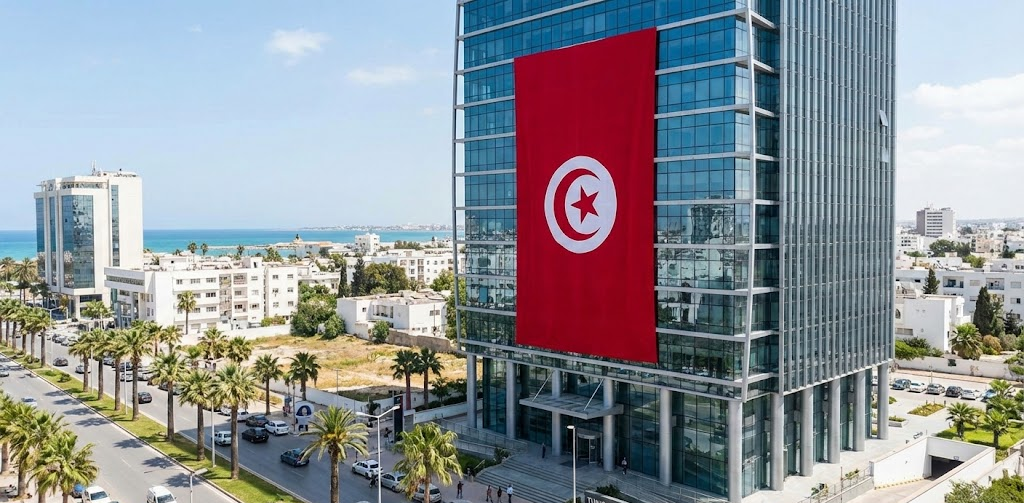
The leading factor that makes Tunisia stand out in offshore company structures is its position as a natural bridge between Europe and Africa. This location reduces logistics costs while enabling fast access to multiple markets. Tunisia’s trade infrastructure offers high efficiency for foreign investors. Entrepreneurs who wish to establish a company in Tunisia benefit from flexible legal frameworks and special incentive mechanisms, especially in export-driven industries and service sectors.
Tunisia also holds a privileged economic profile in its region due to its diversified industrial structure. Strong production networks exist across sectors such as automotive components, textiles, health technologies, IT and agricultural processing. This ecosystem enables offshore companies to easily adapt to a wide range of commercial activities.
Tunisia’s Mediterranean coastline includes strong maritime transport routes connecting rapidly to European ports. At the same time, the country sits at the center of supply chain corridors leading into Sub-Saharan Africa. Partnership agreements signed with the EU provide customs advantages for export-oriented companies. Therefore, establishing a company in Tunisia allows firms to access not only the local market but also a much larger economic geography.
Tunisia has implemented significant reforms in recent years aimed at strengthening the rights of foreign-owned companies and simplifying bureaucratic procedures. Incentives, tax advantages and operational flexibility provided to offshore companies help businesses operate competitively from day one. These stability-focused policies offer long-term confidence to companies wishing to establish a presence in Tunisia.
Tunisia offers an economic environment where international investors can scale their operations with confidence. The advantages of offshore company formation are supported by strategic benefits aimed at reducing costs and increasing operational flexibility.
Direct answer to the first paragraph:
Establishing a company in Tunisia is highly valuable for foreign investors due to its low-cost structure, flexible regulations, international trade-friendly tax system and broad market accessibility.
Labor, office rentals, energy consumption and logistics costs in Tunisia are significantly lower compared to many European countries. This enables offshore companies to optimize their operational expenses. Cost efficiency increases competitiveness and allows companies to reach wider markets.
Tunisia has digitalized its investment procedures. Company formation processes can be completed through online platforms. Uploading necessary documents, reserving a company name and completing registration can all be managed quickly. Investors establishing a company in Tunisia are not required to be physically present, making the process efficient in terms of both time and cost.
Tunisian commercial laws provide a strong security framework for foreign investors. Contract law, intellectual property rules and commercial activity licenses operate in a clear and predictable system. This legal structure minimizes risks for companies planning long-term operations.
Offshore companies in Tunisia are primarily structured for export activities, consultancy, technology development and international services. These models stand out with flexible management structures, low reporting requirements and significant tax advantages.
Offshore companies generate most of their revenue from international operations. In Tunisia, this model offers a simple accounting system, reduced reporting obligations and flexible commercial contract arrangements. Investors aiming to establish a company in Tunisia can manage their global operations from a single centralized structure with the offshore model.
The management structure of offshore companies is highly streamlined. A single-shareholder structure is allowed, and share transfers are fast. The freedom to appoint foreign executives ensures full alignment with the company’s international strategies.
Tunisia offers broad opportunities for offshore companies operating in technology, healthcare services, consultancy, manufacturing and tourism. The service sector, in particular, attracts foreign investors due to its high growth potential.
Offshore companies in Tunisia benefit from substantial tax advantages that enhance efficiency in international trade. Tax policies are optimized especially for export-oriented firms.
Direct answer:
Offshore companies in Tunisia can benefit from significant corporate tax reductions and, in some cases, full tax exemptions when certain conditions are met.
Tax rates applied to offshore companies are lower than those applied to traditional companies. Tax incentives strengthen cash flow particularly during the first years of operation. This advantage enhances the competitiveness of investors establishing a company in Tunisia.
Free trade zones in Tunisia provide foreign companies with rapid handling, low costs and flexible logistics options for import and export transactions. Companies operating in free zones may store, process and re-export their products with ease.
Tunisia has signed numerous double taxation agreements, enhancing financial stability for companies engaged in global trade.
Tunisia’s banking system adheres to international security and compliance standards. A corporate bank account is required for offshore companies to conduct commercial activities.
Direct answer:
To open a bank account in Tunisia, company registration documents, identification of directors, address verification and a clear explanation of the income model are required.
Tunisian banks rigorously apply international compliance regulations. Their strong financial reliability facilitates offshore companies’ work with global clients.
Offshore companies can manage payments, collections and financial reporting processes effectively through modern digital banking tools.
Tunisia’s economy encompasses a wide range of sectors, offering offshore companies numerous growth opportunities.
Tunisia is a strong destination for software companies due to its educated workforce and developing technology infrastructure. Cost advantages are notable in IT services and remote software development.
Textiles, automotive components and food processing are traditionally strong production sectors in Tunisia.
Offshore consultancy companies—supported by low operational costs—can serve global clients effectively.
Tunisia’s business environment blends European and African cultural dynamics, creating a disciplined yet flexible work style. Widespread use of English and French provides communication advantages for international firms.
Meetings are conducted in an organized manner, transparency is valued and professional relationships are built on mutual trust.
Tunisia has a young and educated workforce, with strong talent pools in engineering and technology.
Companies aiming for sustainable success in Tunisia must establish the right market strategies.
Tunisia is one of the most suitable centers for companies seeking to expand into the African continent.
Offshore companies use digital tools to optimize processes, reducing costs and increasing efficiency.
Tunisia's multicultural consumer base enables brands to position themselves quickly and effectively.
Tunisia, located at the commercial heart of the Mediterranean, is an ideal center for offshore companies thanks to its strategic location, investor-friendly regulations, tax incentives, flexible company models and low operational costs. Establishing a company in Tunisia provides foreign investors with a strong advantage in accessing global markets and achieving long-term commercial sustainability.
in MarcaBien?

Free lawyer check within 24 hours

Registration, litigation support and trademark monitoring

Simple online and online 3-step process

Global branding services and support

Registration, litigation support and trademark monitoring
Your brand is safe with us with 95% success rate
Process Work

In order for a trademark to be registered, it must meet the distinctiveness criterion. Results and advice within 24 hours.

After completing the order, we will draft an application. Once approved, we will file it on your behalf, providing legal representation.

The application is evaluated by the relevant Intellectual Property Office (IPO), published and approved for possible objections.

After a successful registration, your trademark is valid from the date of application and retains the right of priority throughout the process.
Contact Us

Secure and register your brand!