Free lawyer check within 24 hours


In the world of international finance, BIC/SWIFT codes form the backbone of cross-border payments and transfers, playing a critical role in enabling both individuals and institutions to transact quickly and securely. Understanding what these codes are used for, who needs to apply for them, and how the application process works is especially important for institutions that provide banking services and businesses operating internationally. One of the most fundamental steps to integrating into the global financial system is having a properly defined BIC/SWIFT code that is recognized by the global network.
This comprehensive guide addresses frequently asked questions such as: “How do you apply for an international BIC/SWIFT code?”, “Are BIC and SWIFT the same thing?”, and “Is every financial institution required to have this code?” with a process-focused approach. Throughout the content, you will find both the technical knowledge required to understand the infrastructure and the practical steps needed to complete the application.
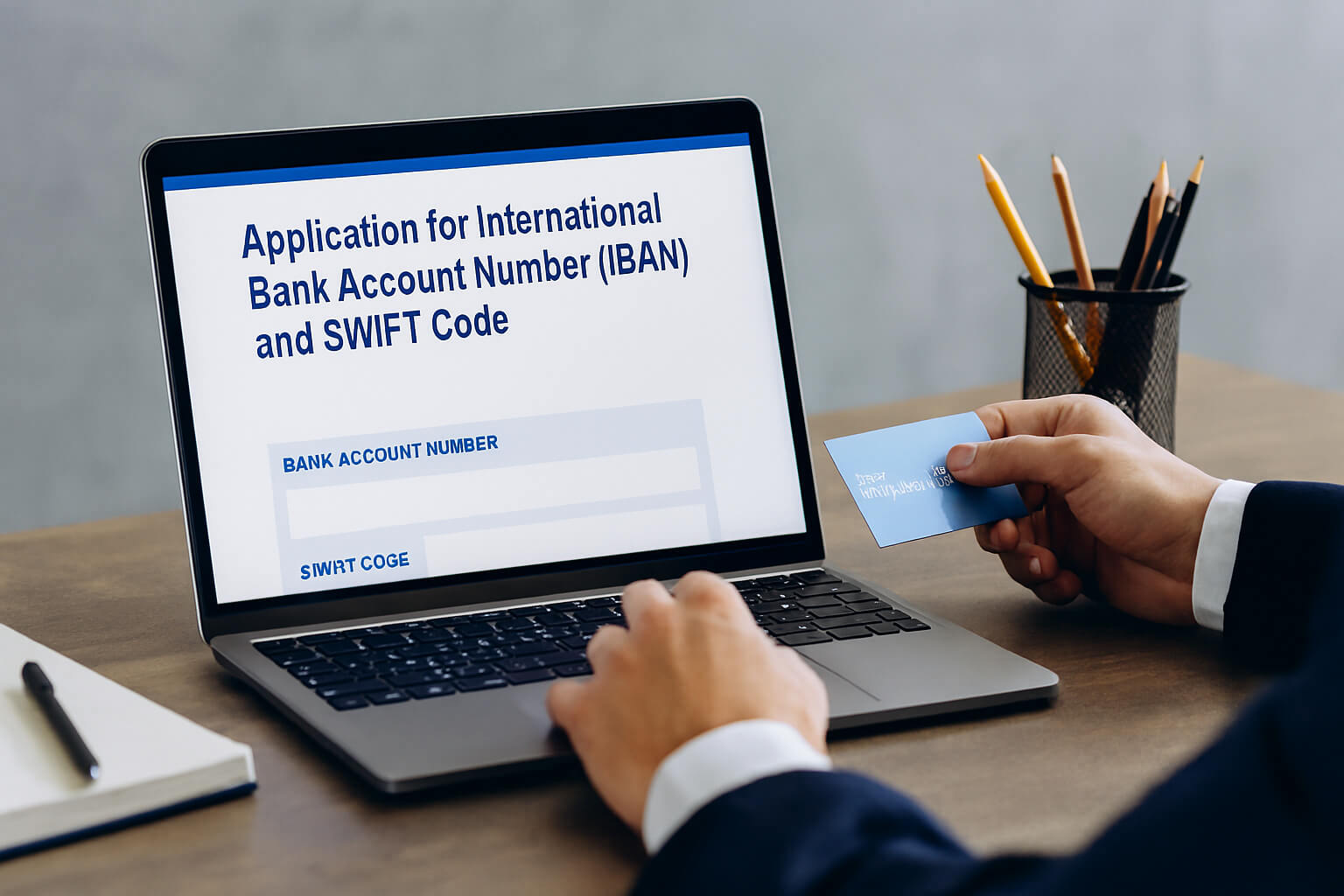
BIC (Bank Identifier Code) is a code assigned by the SWIFT network that uniquely identifies each financial institution. Thanks to these codes, payments, messages, and other financial transactions are routed to the correct institutions. As many users wonder, BIC and SWIFT code actually refer to the same structure; in everyday use, the term “SWIFT code” is more common, but technically the official name of the code is BIC.
It is important to clearly understand these basic concepts at the outset. Once you enter an application process, you will need to understand many details—from becoming a member of the SWIFT network to communicating with authorized parties. A BIC code typically consists of 8 or 11 characters and includes the bank’s country, city, and branch or unit code. This structure helps avoid confusion in global transfers.
BIC/SWIFT codes are not only required for banks; they are also necessary for payment institutions, electronic money institutions, certain financial intermediaries, and in-house financial centers that meet specific criteria. Therefore, one of the most frequently asked questions is:
“Can a business obtain its own BIC code?” Yes, but only if it qualifies as a financial institution according to the categories defined by the SWIFT network. This code is not issued directly to ordinary companies but to institutions authorized to perform financial transactions.
BIC/SWIFT codes, which are among the core elements of participating in the international financial system, are not identifiers that just anyone can apply for. SWIFT (Society for Worldwide Interbank Financial Telecommunication) places great importance on membership criteria and global compliance standards.
Most BIC code applications are submitted by banks. Any bank that wants to operate on a national or international scale cannot participate in global money transfers without joining the SWIFT network. For this reason, newly established banks typically enter this application process shortly after obtaining their licenses.
In recent years, one of the most frequently asked questions has been:
“Can a payment company obtain its own BIC/SWIFT code?” If you have an operating license from your regulator and you meet SWIFT’s technological, operational, and security requirements, then yes. However, the process can be more demanding and lengthier compared to banks.
Some large-scale companies may wish to become direct members of the SWIFT network to manage their treasury operations independently. This is most often seen in global headquarters, holding companies, or multinational organizations. However, the BIC codes assigned to such entities may not fall into the same category as those issued to banks.
Many people think that SWIFT codes are used only for money transfers, but in reality, their scope is much broader. In international financial communication, almost all messaging standards operate over the SWIFT protocol.
The best-known use case is cross-border payments, where BIC ensures that the bank is correctly identified. One of the most common issues in international transfers is that if an incorrect BIC is entered, the transaction may fail to reach the intended recipient.
SWIFT is not only a code system; it is also a central hub through which hundreds of thousands of financial messages pass daily. These messages include payment instructions, foreign exchange transactions, securities information, trade documents, letters of credit processes, and much more.
Being part of the SWIFT network indicates that a financial institution meets certain levels of security, compliance, and alignment with international regulations.
The application process is more comprehensive than most institutions initially expect. This is because SWIFT does more than simply assign a code; it also expects the institution to be properly integrated into the system, build the required technological infrastructure, and fulfil its compliance obligations.
Before starting the application, the institution’s legal status, license, scope of activities, and technical infrastructure must be assessed. At this stage, many organizations ask:
“What are the technical requirements of the SWIFT network?” Core requirements include secure messaging environments, appropriate hardware, an operations team, and adherence to the security protocols that SWIFT mandates.
The institution must first become a member of SWIFT. The membership process requires identity verification, license verification, ownership structure information, financial adequacy documents, and compliance documentation. AML/CFT (anti–money laundering and counter-terrorism financing) compliance is particularly critical at this stage.
When evaluating the application, SWIFT examines whether the institution is a genuine financial entity, whether it holds the necessary operating licenses, and whether it has the capacity to integrate into the global system. Having all required documents complete and accurate at this stage helps speed up the process.
Another frequently asked question is:
“Is it mandatory to establish a technical connection to obtain a BIC code?” Yes. Because a BIC is not just a static code; it is issued to be used within the SWIFT infrastructure. Therefore, the institution must acquire a SWIFT connectivity package, set up a testing environment, and complete system integration.
Once all checks are completed, SWIFT allocates an official BIC/SWIFT code to the institution. The code is entered into the SWIFT database and becomes available for use in global transfers.
Common issues that affect the application process typically arise from missing documentation, licensing inconsistencies, or failure to meet technical requirements. One of the most frequently asked questions from institutions is:
“If our application is rejected, can we apply again?” Yes, but only after addressing the deficiencies. Rejected applications generally stem from procedural gaps rather than systemic impossibilities.
Another frequently encountered situation is that the technical infrastructure is deemed inadequate. The SWIFT system enforces strict standards to ensure maximum security in message flows. Therefore, some smaller financial institutions may initially struggle to meet those technical requirements.
The way these codes are constructed is of particular interest to banks, as it directly affects the technical evaluation within the application process.
A standard BIC code consists of the following components:
First 4 characters: Bank code
Next 2 characters: Country code
Next 2 characters: Location (city) code
Last 3 characters (optional): Branch or unit code
Ensuring this structure is correctly defined is essential for accurate identification and routing.
A question that confuses many users is:
“Is there a difference between an 8-character code and an 11-character code?” Yes. The eight-character code identifies the bank’s main entity. The eleven-character code, on the other hand, points to a specific branch or department.
Sometimes businesses may wish to obtain their own SWIFT code, but this is not necessary for every company. One of the most frequently asked questions in this context is:
“Is it mandatory for a company to obtain a BIC in its own name?” No. For most businesses, using their bank’s BIC is entirely sufficient. A company would only need direct SWIFT membership if it wants to manage its own global financial operations, has a centralized treasury structure, or generates a very high volume of international transactions.
The BIC code enables payment processes in international trade to be managed more efficiently. From supply chain management to letters of credit, many stages of financial verification rely on these codes.
To ensure a smooth application process, institutions need to pay special attention to certain points. This section highlights key tips that play a critical role in managing the process.
Licenses, financial information, and ownership documents must be kept up to date. Current and consistent documentation helps SWIFT approve applications more quickly.
Compliance with the SWIFT Customer Security Programme (CSP) is non-negotiable for any application. Any gaps in this area are likely to delay or jeopardize the process.
During the setup of the institutional infrastructure, working with the right technical partners makes the process much easier. For this reason, technical partners accredited by SWIFT are often preferred.
Especially for newly established banks and payment institutions, BIC/SWIFT applications should be planned immediately after licensing. The process can typically take anywhere from several weeks to a few months.
The process does not end once a code is obtained; on the contrary, it becomes essential to keep the institution’s information up to date in the global database. In cases such as address changes, mergers, or name changes, it is mandatory to notify SWIFT. Failure to do so may lead to confusion and delays in transaction flows.
Managing the BIC code is primarily the responsibility of compliance and operations teams. The institution’s role in the SWIFT system, its messaging permissions, and technical connections must all be reviewed and updated regularly.
Obtaining this code is not only a regulatory requirement—it also offers numerous advantages to the institution. Among these are:
Recognition in the global banking system
Access to a secure financial messaging infrastructure
Ability to execute international payments and asset transfers quickly
Connectivity with more than 11,000 financial institutions worldwide
Higher standing in terms of compliance and regulatory standards
Enhanced trust from business partners
These advantages make joining the SWIFT network almost indispensable, especially for financial institutions that aim to grow.
Every financial institution seeking to establish a presence internationally faces the same question:
“Are we truly ready to apply for a BIC/SWIFT code?” The answer depends on many factors, from the institution’s technical infrastructure and staff capabilities to its licensing scope and global strategy. An objective evaluation during the preparation phase ensures that the application process proceeds more smoothly.
The information covered in this guide shows that applying for a BIC/SWIFT code is far more than just filling out a form. This process strengthens the institution’s position in the international system, offers access to global financial messaging networks, and enhances alignment with global standards. When managed correctly, it becomes a highly valuable investment. Institutions that approach it with this awareness not only gain trust internationally but also benefit from running their financial operations over one of the most secure networks in the world. In doing so, they build a more robust and sustainable structure within the international financial ecosystem.
in MarcaBien?

Free lawyer check within 24 hours

Registration, litigation support and trademark monitoring

Simple online and online 3-step process

Global branding services and support

Registration, litigation support and trademark monitoring
Your brand is safe with us with 95% success rate
Process Work

In order for a trademark to be registered, it must meet the distinctiveness criterion. Results and advice within 24 hours.

After completing the order, we will draft an application. Once approved, we will file it on your behalf, providing legal representation.

The application is evaluated by the relevant Intellectual Property Office (IPO), published and approved for possible objections.

After a successful registration, your trademark is valid from the date of application and retains the right of priority throughout the process.
Contact Us

Secure and register your brand!