Free lawyer check within 24 hours

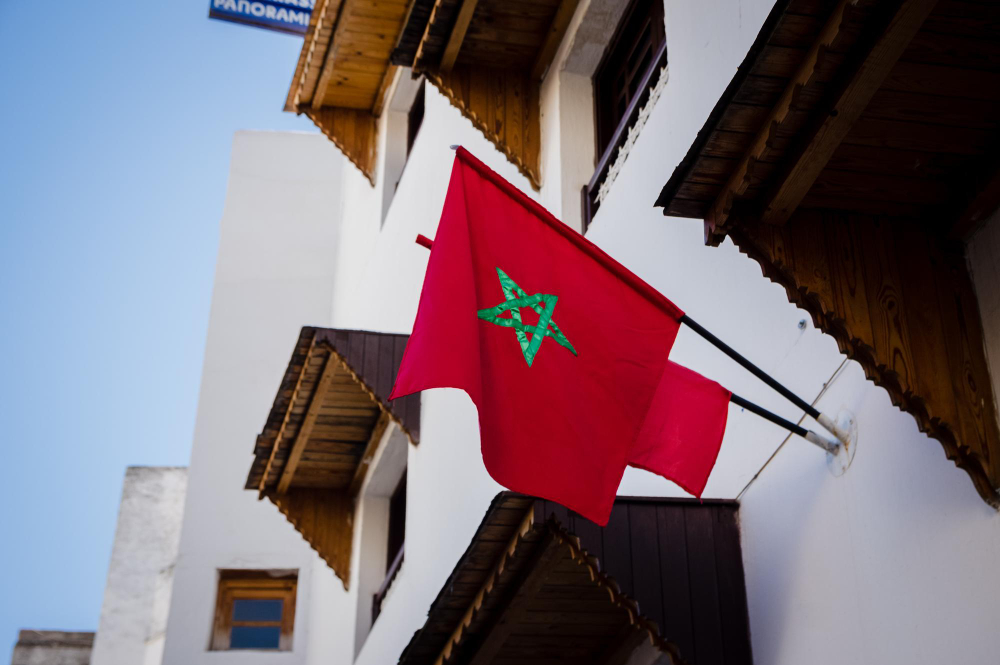
Doing business in Morocco offers a multidimensional investment opportunity when evaluated through the lens of tax structure, procedural requirements, and government incentives. The country’s strategic position at the crossroads of Africa, Europe, and the Middle East provides investors with simultaneous access to three major markets. Its advanced port infrastructure, free trade zones, modernized logistics systems, and government-backed economic reform programs make Morocco a strong hub for production, trade, and service industries. The transformation of Casablanca Finance City into a regional investment hub has significantly increased the number of international companies establishing operations in Morocco. Economic diversification, low production costs, a young workforce, and government incentives create scalable growth opportunities for businesses. Targeted support programs for strategic sectors have positioned Morocco as one of North Africa’s most competitive investment environments.
Choosing the right company type in Morocco depends on the scale of the business model, investment capital, operational planning, and partnership structure. Moroccan company types offer flexible solutions for both foreign and local investors.
According to the Moroccan Commercial Registry, the most preferred structure is the limited liability company model, selected for its ease of implementation, low capital requirements, and managerial flexibility.
SARL can be established by a single shareholder, and management processes are fast and efficient. Limited liability reduces risk exposure. The structure is suitable for activities such as manufacturing, trade, consulting, e-commerce, and logistics. It is a cost-effective model for businesses aiming for rapid growth.
SA is preferred for large-scale investments, energy projects, financial institutions, and industrial facilities. Its board structure supports transparency and oversight for large operations.
The defined board system enables companies to appoint professional managers and is favored by enterprises working with international funds or managing extensive supply chains.
Sole proprietorships suit small-scale service businesses but are rarely chosen by foreign investors due to higher personal liability. Partnership structures are often preferred in tourism and retail sectors where local collaboration is beneficial.
Documents required for company formation serve to verify commercial identity, clarify the business plan, and demonstrate legal compliance.
Passport copies
Proof of address
Articles of Association
Shareholder resolutions
Authorization documents and signature samples
Tax office registration documents
Most documents must be translated into Arabic or French.
The Articles clearly define the company’s activity scope, capital structure, voting rights, and managerial powers. Moroccan law requires clear activity definitions, especially for sectors requiring additional licensing.
A registered business address is mandatory. Many investors initially choose virtual offices or service bureaus, although some sectors require a physical address.
With proper preparation, company formation in Morocco can be completed within 5–10 business days. Digital systems have reduced traditional bureaucratic delays.
1. Choosing the Company Structure
2. Reserving the Company Name
3. Preparing the Articles of Association
4. Depositing the Capital
5. Applying to the Commercial Registry
6. Registering With the Tax Office
7. Obtaining Municipal Licenses and Additional Permits
Once these steps are completed, the company becomes fully operational.
Morocco’s tax system is continually modernized through reforms designed to reduce investors’ financial burden and strengthen competitiveness.
Corporate tax is applied progressively, with more favorable rates for lower income brackets. SMEs benefit from special incentives.
VAT rates vary by sector. Export-oriented companies often receive VAT refunds, improving cash flow.
Companies operating in Morocco’s free trade zones benefit from long-term tax exemptions. Corporate tax can be zero or significantly reduced for defined periods.
Morocco has agreements with many countries, providing significant tax relief for companies engaged in international trade.
Morocco is one of the few countries providing simultaneous access to Europe, Africa, and the Middle East. Tangier Med Port is among the largest logistics hubs in Africa.
Labor and operational expenses are lower than the European average, providing competitiveness in sectors such as manufacturing, textiles, automotive, and electronics.
A dynamic and increasingly educated population offers a strong talent pool for employers.
With millions of tourists each year, Morocco offers high income potential for investments in restaurants, hotels, real estate, and service businesses.
Politeness, professionalism, and mutual respect define business communication. Trust building is crucial.
Negotiations tend to be flexible, and personal relationships play an important role. Decision-making may take longer in certain sectors.
Written contracts are essential in all business dealings, and details must be clearly defined.
Official documents must be prepared in Arabic or French.
Certain sectors, especially healthcare, transportation, and energy, require detailed permit processes.
Banks require transparency regarding funding sources and conduct strict compliance checks.
|
Cost Category |
Description |
|
Registration fees |
Commercial Registry and official filings |
|
Notary and translation |
Preparation of legally compliant documents |
|
Office address |
Virtual or physical office expenses |
|
Banking |
Capital deposit and compliance procedures |
|
Accounting |
Tax filings and financial records |
|
Legal consulting |
Compliance and contract preparation |
A major center for finance, technology, exports, and services. Most international companies are based here.
Critical for logistics, manufacturing, automotive, and export sectors. Tangier Med Port offers significant advantages.
The capital city, ideal for diplomatic, governmental, and strategic sectors.
A leading hub for tourism, hospitality, real estate, and service industries.
Ideal for agriculture, fishing, exports, and the food industry.
Monthly accounting records, tax filings, and cash-flow tracking are essential for stable business operations.
ERP and CRM systems speed up processes and reduce errors.
Morocco’s logistics infrastructure can provide major cost advantages when managed effectively.
Companies established in Morocco gain strong global positioning thanks to low production costs, extensive logistics networks, access to free trade zones, and comprehensive incentive packages. Increasing economic stability and government modernization programs enable rapid scaling across African and European markets. With the right strategy, companies established in Morocco can achieve sustainable and scalable long-term growth.
in MarcaBien?

Free lawyer check within 24 hours

Registration, litigation support and trademark monitoring

Simple online and online 3-step process

Global branding services and support

Registration, litigation support and trademark monitoring
Your brand is safe with us with 95% success rate
Process Work

In order for a trademark to be registered, it must meet the distinctiveness criterion. Results and advice within 24 hours.

After completing the order, we will draft an application. Once approved, we will file it on your behalf, providing legal representation.

The application is evaluated by the relevant Intellectual Property Office (IPO), published and approved for possible objections.

After a successful registration, your trademark is valid from the date of application and retains the right of priority throughout the process.
Contact Us
Secure and register your brand!