Free lawyer check within 24 hours


The European Union is one of the largest and most regulated regions in the global e-commerce market. With its large consumer base, high purchasing power, and strong interest in online shopping, it naturally appears on the target list of every seller who wants to start e-commerce or scale an existing business. However, entering the European market comes with both major advantages and a series of customs and tax procedures that can seem complex at first glance. Especially in recent years, the EU’s frequent updates to its e-commerce rules have raised questions in the minds of many businesses such as: “Which customs rules do I need to follow when selling to Europe?”, “Which tax models apply when shipping products to the EU?”, “How do the new regulations affect small businesses?”
This in-depth guide serves as a roadmap for businesses that want to sell to the EU via e-commerce: SMEs, dropshipping stores, Amazon/Etsy sellers, and entrepreneurs planning to step into international trade. In the following sections, topics such as EU customs regulations, tax applications, the IOSS system, VAT rules, low-value consignment rules, packaging standards, border controls, and logistics processes will be covered in detail.
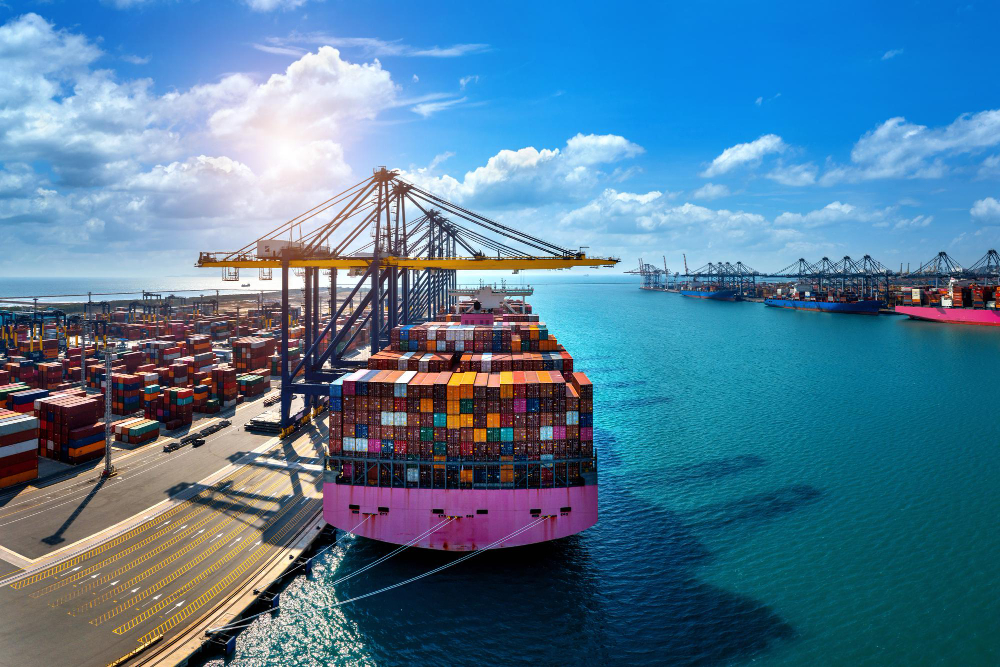
Since the European Union is considered a single internal market, customs procedures are based not on individual countries but on rules set at the Union level. When a product is shipped from outside the EU, the parcel first enters the EU customs system and becomes subject to common procedures. Thanks to this system, movement within the EU is free; however, every product coming from outside must pass through defined control and taxation processes.
The first thing many sellers wonder is: “Do I need to carry out a separate customs process for every EU country I sell to?” The answer is usually no. Once a product enters one EU country, it becomes eligible to circulate throughout the entire EU from that entry point. However, VAT rates and some national regulations still vary between countries. That’s why sellers must understand the general logic of the EU customs framework.
Every shipment to the EU, even those with very low value, is now subject to mandatory electronic customs declaration. Even if the product value falls below the low-value threshold, a declaration must still be made upon entry into the EU and must be prepared in the correct format.
One of the most confusing points here is the question: “There’s no customs duty on low-value goods, but is a declaration still mandatory?” Yes, even if the value is low, the declaration is still required. This is particularly critical for businesses doing dropshipping or selling small, low-priced items.
Submitting accurate declarations helps reduce customs delays, lowers the risk of additional costs, and ensures faster delivery to the customer. Incorrect or incomplete declarations can lead to parcels being held at customs, subject to additional inspections, or even returned to sender.
For many years, the EU applied a rule under which consignments valued under €22 were exempt from VAT. However, this rule was abolished in 2021. Now, every product shipped to the EU is subject to VAT, regardless of its value.
This change was a major turning point, especially for businesses engaged in e-commerce, because many low-value product models previously benefited from this exemption. Now, VAT procedures apply to all products. At this point, a new system comes into play: IOSS.
IOSS (Import One-Stop Shop) is an electronic system created by the EU to simplify the taxation of e-commerce transactions. Through this system, non-EU sellers can collect VAT in advance for low-value consignments shipped to EU customers, so there is no need for the buyer to pay at customs.
Many entrepreneurs ask, “Is IOSS mandatory for me?” No, it’s not mandatory; however, using it provides significant advantages:
Parcels are not held up in customs.
Buyers do not have to pay taxes at the door, which increases customer satisfaction.
Delivery times are faster.
VAT processes are managed from a single central point.
The main reason IOSS is so popular is that it prevents EU customers from facing “hidden tax surprises.” Many buyers refuse to accept parcels when unexpected charges appear at delivery. This results in return costs and rating losses for the seller. IOSS eliminates these issues almost entirely.
The system is quite simple:
The seller obtains an IOSS number.
During checkout, EU VAT is calculated in the shopping cart and collected from the buyer.
Declarations are submitted monthly through a central portal.
When the product enters the EU, no additional VAT is charged at the border, and the parcel is quickly forwarded to the customer.
This system is especially convenient for businesses selling to the EU via Amazon FBA, Etsy, eBay, or Shopify.
Every product has an international customs code. This code is determined under the HS or TARIC system. How the product is classified at customs, which tax rates apply, and which specific permits may be required in the EU are all determined based on this code.
Many sellers ask, “Can I ship my product without specifying a code?” The answer is no. If the code is incorrect, the parcel may be held at customs, incorrectly taxed, or additional documentation may be requested.
Choosing the correct customs code is particularly important for categories such as electronics, cosmetics, dietary supplements, and textiles. The EU imposes stricter controls on these types of products.
VAT rates in the EU differ from country to country. Even though the EU is a single market, tax rates are determined by national governments. Therefore, sellers must know the VAT rates of the countries they are targeting.
For example:
Germany: 19%
France: 20%
Italy: 22%
The Netherlands: 21%
Another common question businesses ask is: “Do I have to calculate VAT separately for each country?” If you use IOSS, the answer is yes, because VAT must be calculated based on the rate applicable in the buyer’s country. However, since the process is automated, this doesn’t usually create a major problem.
The European market has some of the strictest product safety standards in the world. In particular, electronic devices, toys, medical products, personal care devices, and certain textile items must carry CE marking.
The question “Can I ship products without the CE mark?” is frequently asked. For most categories, the answer is no. Products without CE marking can:
Be stopped at customs,
Be subject to additional testing,
Be refused entry if found non-compliant.
Therefore, businesses planning to sell to the EU must first learn the CE certification process. The CE mark is not just a logo; it is the official indication that the product has been manufactured in accordance with EU standards.
The European Union places great importance on environmental standards. Rules such as mandatory recyclable packaging, limits on plastic use, and RoHS compliance are especially relevant for businesses engaged in e-commerce.
Many sellers make the mistake of thinking, “I’m just using a simple shipping bag; it won’t be a problem.” However, in some EU countries, non-recyclable packaging can lead to penalties, or extra charges may be applied if the packaging does not comply with local regulations.
In countries like Germany, “packaging registration (LUCID)” is also mandatory. If this registration is not completed, selling products in that market is not allowed.
Many entrepreneurs aim to enter the EU market via dropshipping. In the dropshipping model, products are shipped directly from the manufacturer to the end customer instead of going through local warehouses. However, due to the EU’s strict customs rules, dropshipping suppliers must declare products correctly.
One of the most common questions is: “I’m doing dropshipping from China to the EU; will there be customs issues?” Yes, there can be. In cases of incorrect declarations, incomplete customs information, or discrepancies between the declared value and the actual value, parcels are likely to be held at customs.
Therefore, when doing dropshipping to the EU, using an IOSS number, preparing accurate customs labels, and working with reliable suppliers is essential.
Many large online stores selling to the EU prefer to ship their products to warehouses located within the EU to provide faster delivery. Amazon FBA is the most well-known example of this system.
Advantages of using local warehouses include:
Reducing delivery times to 1–3 days
Solving customs processes in bulk at the point of entry
Simplifying return processes
Lowering shipping costs
The main downside is this: Since products enter the EU in bulk, customs procedures may be more detailed, and inventory management becomes necessary.
Businesses selling to the EU most frequently encounter the following issues:
Use of incorrect customs codes
Incorrect or incomplete invoice information
Extra tax charges for buyers due to not using IOSS
Inconsistencies between the parcel content and the customs declaration
Shipping products without the required documents in categories that require CE marking
Failure to comply with packaging and waste regulations
Lack of knowledge about country-specific restricted or prohibited products
Many businesses rushing to enter the EU market face costly problems such as returned parcels due to lack of proper information.
Businesses that plan correctly when entering the EU e-commerce market can make a strong start. Some strategic recommendations include:
Understanding the legal classification of your product category in the EU
Preparing CE and other compliance documents in advance
Joining the IOSS system (which provides a major advantage for low-value shipments)
Pricing with country-specific VAT rates in mind
Complying with packaging and packaging-waste regulations
Evaluating the benefits of working with EU-based warehouses
Ensuring accurate invoices and declarations from suppliers when doing dropshipping
If these steps are not followed, plans to enter the EU market can be disrupted at a very early stage.
Entering the European Union market undoubtedly offers a major growth opportunity for businesses. However, to achieve sustainable success, it is not enough to focus only on product quality; regulatory compliance, accurate document management, efficient customs procedures, and professional logistics planning are also essential.
The EU’s strict yet predictable framework actually works to the seller’s advantage: as long as the rules are followed, deliveries run smoothly, customer satisfaction increases, and brand reputation strengthens. In today’s e-commerce landscape, where competition is intense, businesses that enter the EU market with the right strategy can achieve safer and more sustainable growth in the long term. Considering the EU’s strong consumer base and broad market structure, any business that acts with the right knowledge and implementation can achieve lasting success in Europe.
in MarcaBien?

Free lawyer check within 24 hours

Registration, litigation support and trademark monitoring

Simple online and online 3-step process

Global branding services and support

Registration, litigation support and trademark monitoring
Your brand is safe with us with 95% success rate
Process Work

In order for a trademark to be registered, it must meet the distinctiveness criterion. Results and advice within 24 hours.

After completing the order, we will draft an application. Once approved, we will file it on your behalf, providing legal representation.

The application is evaluated by the relevant Intellectual Property Office (IPO), published and approved for possible objections.

After a successful registration, your trademark is valid from the date of application and retains the right of priority throughout the process.
Contact Us

Secure and register your brand!