Free lawyer check within 24 hours

Establishing a company in Germany presents a high-potential business opportunity for entrepreneurs wishing to operate within one of Europe’s strongest economic environments. The country’s solid legal framework, low-risk business climate, advanced infrastructure, skilled workforce, and investor-friendly incentives provide a reliable foundation for company formation. Located at the center of the European Union, Germany offers businesses strong scalability through its export capacity, competitive market dynamics, and high purchasing power. Establishing a company in Germany is not just the beginning of a commercial activity—it is a strategic step toward securing long-term, sustainable growth.
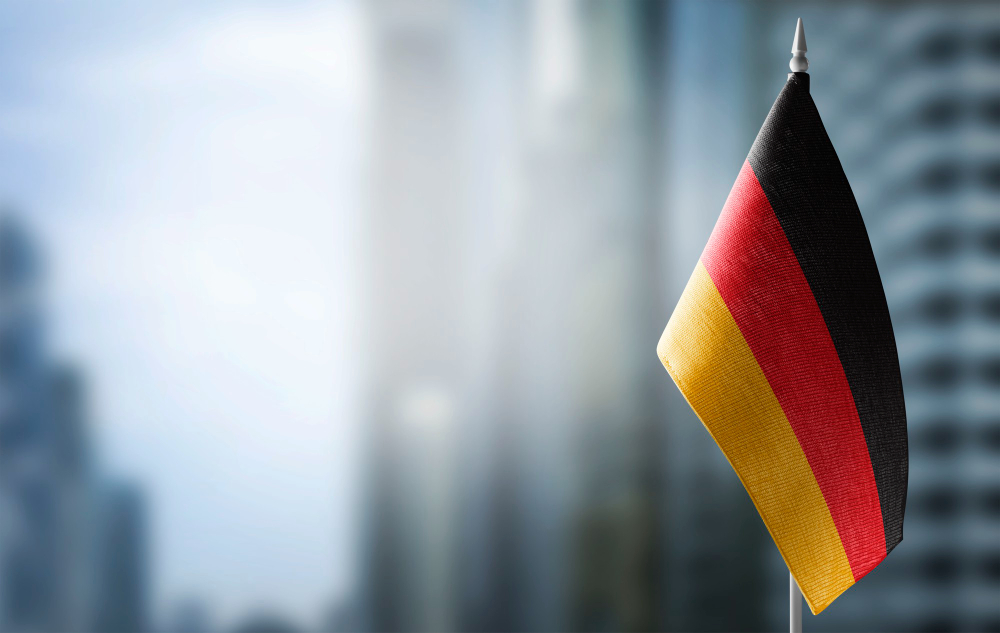
Forming a company in Germany offers significant strategic advantages due to legal security, an investor-friendly ecosystem, and access to extensive markets. As Europe’s largest economy, Germany provides a low-risk business environment for entrepreneurs. According to the OECD, Germany ranks among the top countries in sustainable growth and international trade performance. With strong infrastructure in high-value sectors such as technology, manufacturing, logistics, engineering, and automotive, businesses can scale efficiently.
Direct access to European markets
Robust legal system
Double taxation avoidance agreements
High-income consumer base
Strong trust in brands
Ease of export through expansive logistics networks
These advantages make Germany a highly attractive hub for international entrepreneurs.
Germany stands as a symbol of economic stability within the European Union. Small and medium-sized enterprises (SMEs) account for 55% of the economy, cultivating a strong entrepreneurial culture that supports rapid adaptation and integration into the economic cycle. Germany’s export-driven structure increases international trade opportunities, while companies in technology, engineering, and innovative manufacturing benefit from additional government incentives.
Germany’s legal system is highly transparent and predictable. Foreign investors hold the same rights as local investors. The Commercial Code, secure contract laws, and investor-friendly procedures ensure a safe and low-risk company formation process, resulting in a business environment that offers high return potential.
Germany offers a range of company types depending on the size of the business, capital requirements, field of activity, and risk structure. The main company types are:
The GmbH is the most preferred company type in Germany and is equivalent to a “Limited Company.” In this model, shareholders are liable only up to their share capital.
Advantages of a GmbH:
High corporate reputation
Limited liability protection
Increased investor confidence
Most widely accepted structure in Germany
The minimum required capital is €25,000, of which at least half must be deposited at formation.
Often called the "Mini GmbH," this structure can be established with very low capital, making it ideal for new ventures entering the German market.
Advantages of a UG:
Can be established with as little as €1
Low-cost startup structure
Can later be converted into a GmbH as capital grows
This type is especially suitable for early-stage businesses.
Comparable to a joint-stock company. It is suitable for large-scale investments and provides strong capabilities for raising funds through shares.
Advantages of an AG:
Ideal for large capital projects
Strong potential to attract institutional investors
Highly prestigious corporate structure
The minimum capital requirement is €50,000.
These are partnership models typically used by medium-sized businesses. Due to unlimited liability, they are less favored by foreign investors.
Depending on the company type, the required documents generally include:
Passport
German address or virtual office agreement
Articles of association
Notarized founder declaration
Activity description
Identity documents for bank account opening
Tax number application documents
Compliance in document preparation is critical; any errors or missing information may delay the process.
Company formation follows a clear procedural structure. Completing each step accurately ensures rapid commencement of business operations.
Choose the company structure that best suits the business model, capital level, target market, tax considerations, and investment plan.
This official document outlines share distribution, business activities, and management structure.
Company formation documents must be notarized in Germany. The articles of association gain legal validity after notary approval.
A German bank account is required for depositing the share capital. Without this step, trade register registration cannot take place.
After capital is deposited, the company is officially registered in the German Trade Register. At this point, the company is legally established.
A tax number is obtained from the Finanzamt, defining VAT obligations, corporate tax status, and income tax requirements.
Depending on the business activity, a municipal business license must be obtained to officially commence commercial operations.
Germany has a well-regulated and stable tax system. Main business taxes include:
Corporate Tax: 15%
Trade Tax: 14–17% depending on municipality
VAT: Standard rate 19%, reduced rate 7%
Income Tax: Applies to partnerships
The transparent system enables businesses to plan their finances with confidence.
Double taxation avoidance treaties
EU incentive programs
Tax deductions for R&D investments
Financial benefits for exporters
Companies using professional tax advisors report an average 20% increase in efficiency during their first year.
Germany is known for its highly skilled workforce. Engineering, software, manufacturing, and logistics sectors benefit from strong talent availability. Labor laws protect employee rights and ensure structured working conditions.
High technical competence
Advanced vocational education system
Above-average language skills
Strong work discipline culture
Working hours and leave policies are clearly regulated.
Germany offers various government incentives for newly established companies. These incentives vary depending on sector, region, and investment size.
Investment grants
R&D support schemes
Digital transformation funds
Energy efficiency incentives
Regional development loans
Technology startups, AI projects, and renewable energy investments receive particularly high levels of support.
To ensure a smooth company formation process, attention must be paid to:
Proper preparation of the articles of association
Clearly defined capital structure
Full tax compliance
Correct selection of banking partners
Proper office/address planning
Completing required sector-specific licenses
Failure in these areas may cause delays or additional costs.
|
Process Area |
Description |
Strategic Tool |
|
Company Type |
Selection of GmbH, UG, AG |
Capital & activity analysis |
|
Notary Process |
Articles of association approval |
Legal consultancy |
|
Bank Account |
Capital deposit |
German banking infrastructure |
|
Trade Register |
Official registration |
Handelsregister |
|
Tax Process |
VAT & corporate tax registration |
Finanzamt |
|
Business License |
License application |
Municipal registration |
|
Incentives |
Investment support |
EU funds, federal programs |
This table outlines the fundamental building blocks of the company formation process.
The following strategies help accelerate and optimize the formation process:
Virtual office solutions reduce initial costs.
Some banks require additional verification for foreign investors.
Germany’s tax system is detailed; a professional advisor speeds up compliance.
A strong business plan supports investment attraction and incentive applications.
Industries such as healthcare, logistics, or food may require special certifications.
German consumer behavior requires data-driven and detailed market insight.
Companies founded in Germany benefit from the country’s strong economic infrastructure and EU network, gaining significant advantages in international expansion. German-based companies enjoy higher credibility among global investors and greater long-term financial stability, brand reputation, and export opportunities.
Germany company formation, when supported by strategic planning, regulatory compliance, strong financial structuring, and effective operational management, becomes not just a business launch but a gateway to global growth. This environment provides entrepreneurs with both security and high-potential opportunities.
in MarcaBien?

Free lawyer check within 24 hours

Registration, litigation support and trademark monitoring

Simple online and online 3-step process

Global branding services and support

Registration, litigation support and trademark monitoring
Your brand is safe with us with 95% success rate
Process Work

In order for a trademark to be registered, it must meet the distinctiveness criterion. Results and advice within 24 hours.

After completing the order, we will draft an application. Once approved, we will file it on your behalf, providing legal representation.

The application is evaluated by the relevant Intellectual Property Office (IPO), published and approved for possible objections.

After a successful registration, your trademark is valid from the date of application and retains the right of priority throughout the process.
Contact Us

Secure and register your brand!