Free lawyer check within 24 hours

Setting up an S.R.O. (Spoločnosť s ručením obmedzeným) in Slovakia offers a strong growth opportunity for entrepreneurs thanks to its low capital requirement, investor-friendly regulations, direct access to the EU market, and cost-efficient operational environment. Situated at the center of Europe, the country provides a reliable foundation for company formation with its strategic logistics network and highly skilled workforce. The S.R.O. model is recognized as an ideal corporate structure for small and medium-sized enterprises due to its flexible ownership, straightforward registration procedures, and strong financial liability protection. Slovakia’s economic stability and digitalized public administration accelerate administrative processes, enabling entrepreneurs to start operating in a short time.
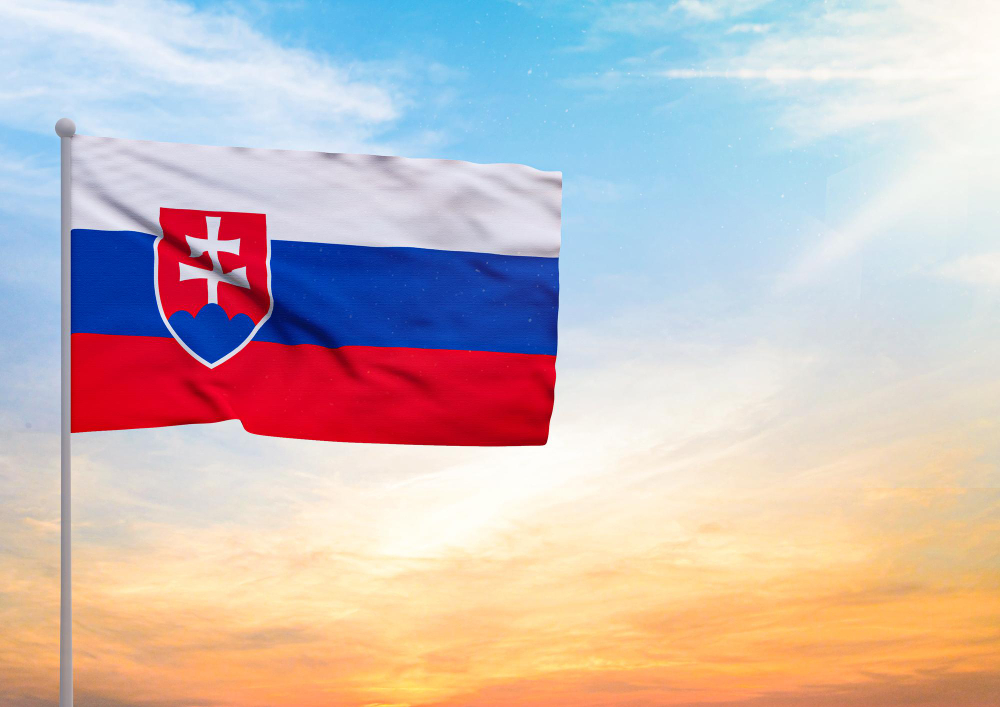
The S.R.O. structure clearly reflects why it is the most preferred company type in the Slovak investment environment. These advantages help optimize both operational costs and legal obligations.
The minimum capital required to establish an S.R.O. is 1 EUR, which significantly lowers the entry barrier. This makes the model highly attractive for both local and foreign investors. Capital distribution among partners is highly flexible, and each shareholder’s liability is limited to the capital they commit.
Slovakia’s geographical position places it at the center of Central European trade. Its borders with Austria, Hungary, the Czech Republic, and Poland reduce logistics costs. The country’s extensive highway connections and advanced railway infrastructure enhance supply chain efficiency.
The corporate income tax rate is 21%, making it competitive compared to the EU average. Slovakia also offers tax deductions for R&D activities, government incentives for industrial projects, and regional development benefits—particularly attractive for manufacturing, logistics, IT, and renewable energy sectors.
Slovakia’s technical universities produce thousands of qualified graduates annually in engineering, software development, automation, and robotics. Labor costs are lower than in Western Europe, yet productivity remains high—an essential advantage for technology companies and industrial enterprises.
The first step in forming an S.R.O. is clarifying the company’s legal structure and business activity. This step forms the foundation of the registration process and ensures smooth progression of subsequent procedures.
Slovak companies define their business activities using NKD/NACE codes. Selecting the correct codes is critical for tax obligations, licensing requirements, and operational scope. For example:
E-commerce: 47.xx
Software development: 62.xx
Consulting services: 70.xx
A well-defined business activity prevents future regulatory issues.
An S.R.O. can be formed by a single shareholder or multiple partners. The director can be a Slovak citizen or a foreign national. A clean criminal record is required for directors. Proper early-stage corporate governance planning strengthens the company’s banking and investment processes.
Although the minimum required capital is 1 EUR, many entrepreneurs prefer a higher amount to project operational credibility. A well-structured capital plan builds trust with suppliers, partners, and banks.
The second step involves preparing official documents and having them certified by a notary. Proper document formatting is essential for avoiding delays in the registration process.
The primary documents include:
Company agreement (or founder’s declaration for single-member companies)
Identification documents of shareholders
Director appointment resolution
Address confirmation with lease agreement or usage rights
Activity code list
Documents must be prepared in Slovak. Foreign documents require a notarized translation. A professionally managed documentation process accelerates approval.
Notary certification ensures the legal validity of documents. During this step:
Shareholder identities are verified
Company agreements are approved
Registration documents are prepared
The entire notary process is often completed within the same day. Use of a digital signature may speed up the procedure further.
For S.R.O. incorporation, the capital contribution must be deposited into a bank account. This is mandatory for the registration application.
To open a Slovak business bank account, the company must submit incorporation documents and director identification. Banks typically evaluate:
Business activity
Capital amount
Risk profile of shareholders
Some banks allow remote account opening, but physical verification is still common.
Once the capital is deposited, the bank issues a capital confirmation letter, which is required in the commercial registry application. After registration is complete, the capital becomes available for company use.
This is the stage at which the company legally comes into existence. Applications can be submitted digitally or in physical form.
The following documents are submitted to the Commercial Register:
Notarized incorporation agreement
Bank capital confirmation
Director appointment document
List of activity codes
Address usage approval
Applications typically conclude within 2–5 business days, and digital submissions may be processed faster.
Once approved, the company receives:
Official registration number
Tax identification number (DIČ)
Corporate identification details
At this point, the company is legally allowed to operate.
After registration, the company must complete tax processes and secure any licenses required for operations.
Key tax procedures include:
Income tax registration
VAT registration (when applicable)
Social security registration for employees
VAT registration becomes mandatory based on anticipated annual turnover or the nature of business activities. Slovakia’s VAT system fully aligns with EU standards.
Some industries require additional licensing:
Financial advisory
Transportation
Health and beauty services
Food businesses
Licensing is managed through local municipalities and relevant ministries.
Launching operations includes:
Setting up accounting systems
Establishing office or workplace infrastructure
Drafting contracts with suppliers and clients
Activating online banking and payment systems
When these steps are completed efficiently, companies gain a strong foothold in Slovakia’s competitive market.
Long-term success depends on strategic planning. Several key factors improve the performance of S.R.O. companies in Slovakia.
Slovakia provides cost advantages and strong logistics access for companies entering Central Europe. Defining the target sector clearly enhances competitiveness.
Consistent accounting practices, tax monitoring, and expense control are essential components of Slovak business culture and improve investor confidence.
Local suppliers, tech parks, innovation centers, and business networks accelerate growth. Slovakia’s advanced industrial zones offer high potential, especially for technology and manufacturing companies.
Slovakia’s S.R.O. structure, streamlined legal processes, and strong economic potential present a compelling opportunity for entrepreneurs. Companies that correctly follow these five steps achieve operational efficiency and competitive strength—laying the foundation for sustainable growth both locally and across Europe.
in MarcaBien?

Free lawyer check within 24 hours

Registration, litigation support and trademark monitoring

Simple online and online 3-step process

Global branding services and support

Registration, litigation support and trademark monitoring
Your brand is safe with us with 95% success rate
Process Work

In order for a trademark to be registered, it must meet the distinctiveness criterion. Results and advice within 24 hours.

After completing the order, we will draft an application. Once approved, we will file it on your behalf, providing legal representation.

The application is evaluated by the relevant Intellectual Property Office (IPO), published and approved for possible objections.

After a successful registration, your trademark is valid from the date of application and retains the right of priority throughout the process.
Contact Us

Secure and register your brand!