Free lawyer check within 24 hours


For many entrepreneurs who want to sell through Amazon FBA, one of the most critical steps is importing products correctly and ensuring they reach Amazon fulfillment centers without issues. For sellers planning to ship from Türkiye to the U.S. or European markets, import regulations play a decisive role in both legal compliance and cost control. Although import processes may seem complex, with the right information it is possible to manage them safely, smoothly, and predictably. In this guide, we comprehensively explain the import regulations for Amazon FBA sellers and outline every stage you may encounter as you grow your business.
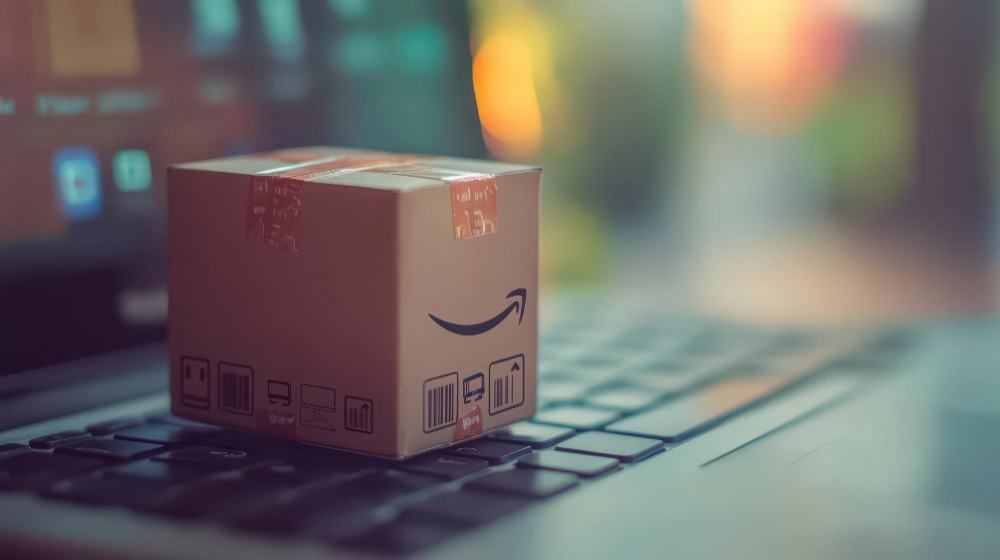
The Amazon FBA system is built on sellers sending their products to Amazon’s fulfillment centers, where Amazon manages the logistics. As a natural result, all legal import requirements must be fully completed before the products reach the FBA warehouse. If you are shipping from Türkiye, both Türkiye’s export rules and the import regulations of the destination country (such as the U.S., Germany, or the U.K.) apply.
Failing to understand the fundamental logic of importation can lead to serious delays, additional costs, or even refusal at the Amazon warehouse. So what exactly is required when importing for Amazon FBA? This is one of the most common questions asked by sellers, and the answer lies at the intersection of destination-country regulations, product category requirements, and Amazon’s own policies.
Amazon takes over logistics only after the products are ready for sale. Until the goods physically arrive at the Amazon fulfillment center, all responsibilities belong to the seller. This leads many sellers to ask:
“Does Amazon handle customs procedures on my behalf?” No. Amazon does not engage in customs processes. All customs tasks must be handled by you or your freight forwarder.
The most important feature of import regulations is that each country has its own rules. Since the most active markets for Amazon FBA sellers are the U.S., Germany, the U.K., and Canada, understanding the main regulatory structure of these countries helps operations run more smoothly.
The U.S. Customs and Border Protection (CBP) strictly examines product safety and proper labeling. Depending on the product category, additional regulations may apply—such as FDA, FCC, or CPSIA.
Examples:
Electronic products may require FCC certification.
Children’s products must comply with CPSIA.
Dietary supplements are subject to FDA registration.
A common question sellers ask is: “Is it mandatory to establish a company in the U.S. when exporting to the U.S.?”
No, it is not mandatory. However, obtaining an EIN number is recommended for smoother customs procedures in some product categories.
When dealing with EU regions, CE marking, product safety declarations, and technical documentation requirements are much more common. Some categories require highly detailed compliance:
CE + EMC + RoHS for electrical devices
EN71 testing for toys
CPNP registration for cosmetics
A frequently asked question in the EU is: “Can I send products to an Amazon warehouse without a CE mark?”
No. If a product requires CE and does not have it, Amazon will not accept the shipment and your account may be placed at risk.
After Brexit, the U.K. transitioned from CE marking to the UKCA system. This adds an additional compliance step for Amazon FBA sellers. Depending on the product category, CE may still be acceptable, but in some cases the manufacturer or importer must apply the UKCA mark.
To ensure smooth customs clearance, acceptance at Amazon’s warehouse, and continuous sales, certain documents must be prepared without errors.
These are the most essential documents of any import. They must clearly state the nature, quantity, and value of the products. Many Amazon sellers often ask:
“Is it a problem to declare a lower product value on the invoice?” Yes. This can lead to serious penalties if detected by customs and may also put your Amazon account at risk.
This document shows the country where the product was manufactured. It is especially important in countries like the U.S. where tax rates depend on origin. Some international trade agreements can also reduce customs duties if the proper certificate is provided.
Depending on the product category, these may be legally required. Amazon frequently requests these reports, especially for high-risk categories. Examples:
UN38.3 test for lithium battery electronics
Chemical content tests for baby products
Azo dye tests for textiles
Many sellers ask:
“Are test reports obtained in Türkiye valid?” Generally yes—if the laboratory has internationally recognized accreditation.
One of the most critical steps in importation is handling customs procedures correctly. Before the shipment reaches the Amazon warehouse, it must first pass entry controls in the destination country.
Amazon FBA shipments—especially international ones—require professional support. Freight forwarders handle transport by sea, air, or express courier and complete customs procedures. Sellers who attempt to file customs declarations themselves often submit incorrect or incomplete documents, causing their goods to be held in customs and generating additional costs.
Shipping method selection is strategic for both cost and speed.
Express courier: DHL, UPS, FedEx—fast but possibly higher duties.
Air freight: Faster and ideal for larger volume shipments.
Sea freight: Most economical but significantly slower.
The question “Which shipping method is best for Amazon FBA?” depends on product volume, profitability, and stocking strategy. For low-volume, high-margin products, express is ideal; for bulk shipments, sea freight is usually better.
Beyond import regulations, Amazon’s product acceptance rules are equally important. Products must comply with both local regulations and Amazon’s labeling standards.
One of the core elements of Amazon FBA, the FNSKU label uniquely identifies each unit. Incorrect labeling can cause products to be mixed in the warehouse. This leads many sellers to ask:
“Can I have the manufacturer apply the labels?” Yes, Amazon allows this and many sellers prefer it.
Depending on the category, mandatory safety labels may include:
Voltage and safety information for electronics
Age restrictions for toys
Washing instructions for textiles
Ingredient lists for cosmetics
Amazon checks these labels carefully, and missing information can lead to rejection.
One of the most sensitive parts of import regulations is customs duties and related financial obligations. Every country has its own taxation system, so sellers must include these costs in their overall pricing strategy.
These are determined by the product’s HS code. Using an incorrect code can result in penalties or unexpected tax charges.
For sellers shipping to Europe, VAT registration is critical. Amazon often requires sellers to have a VAT number for sales conducted through European fulfillment centers.
Some countries impose anti-dumping taxes on certain categories. For example, the U.S. imposes high additional duties on some products imported from China. Sellers who ignore this can end up with doubled or tripled costs.
Some categories require stricter regulations for Amazon FBA sellers.
Electronics: Extensive compliance tests and certifications
Health & personal care: FDA, CPNP, and strict ingredient rules
Dietary supplements: Intensive FDA scrutiny
Baby and children’s products: CPSIA, EN71, and heavy documentation
These are also the categories where Amazon most frequently requests documentation.
Understanding common problems helps prevent them.
Often caused by missing documents, incorrect declarations, or high-risk product categorization. A professional freight forwarder solves most of these issues.
Usually due to missing FNSKU labels, damaged goods, or incorrect packaging. Strong communication with your manufacturer is essential.
Incorrect HS codes or lack of knowledge of destination-country regulations are common causes. Professional consultation avoids these risks.
Complying with import regulations is not just about execution—it requires strategic planning.
Choosing a supplier who can provide proper documentation, consistent production quality, and Amazon-ready packaging makes the entire import process significantly easier.
Choosing the right Amazon warehouse region (U.S. or EU) helps optimize logistics and costs.
Since imports take time, poor stock planning can lead to emergency shipments, which increase costs. Strong forecasting ensures sustainability.
Mastering Amazon FBA import regulations is not only about knowing the rules—but integrating them into your business model. Although many sellers feel overwhelmed at the start, a systematic approach makes every stage predictable and manageable.
After identifying your product category, researching the required certifications, requesting proper documents from your supplier, and working with a reliable freight forwarder give sellers both speed and operational security. Understanding the destination country’s customs regulations also helps with accurate cost planning.
A professionally structured import process gives Amazon sellers long-term strength—both operationally and financially. Those who manage the process correctly build a much stronger foundation in Amazon’s competitive marketplace and gain a sustainable opportunity to grow their products.
in MarcaBien?

Free lawyer check within 24 hours

Registration, litigation support and trademark monitoring

Simple online and online 3-step process

Global branding services and support

Registration, litigation support and trademark monitoring
Your brand is safe with us with 95% success rate
Process Work

In order for a trademark to be registered, it must meet the distinctiveness criterion. Results and advice within 24 hours.

After completing the order, we will draft an application. Once approved, we will file it on your behalf, providing legal representation.

The application is evaluated by the relevant Intellectual Property Office (IPO), published and approved for possible objections.

After a successful registration, your trademark is valid from the date of application and retains the right of priority throughout the process.
Contact Us

Secure and register your brand!