Free lawyer check within 24 hours


At the heart of the digital economy, SaaS (Software as a Service) companies now operate not only in local markets but on a global scale. However, succeeding internationally requires more than just technological capability—it demands strong compliance management. International SaaS business compliance involves balancing different countries’ data protection laws, security standards, and financial regulations. In this article, we’ll explore why SaaS companies need compliance, which standards to follow, and how to build effective global strategies.
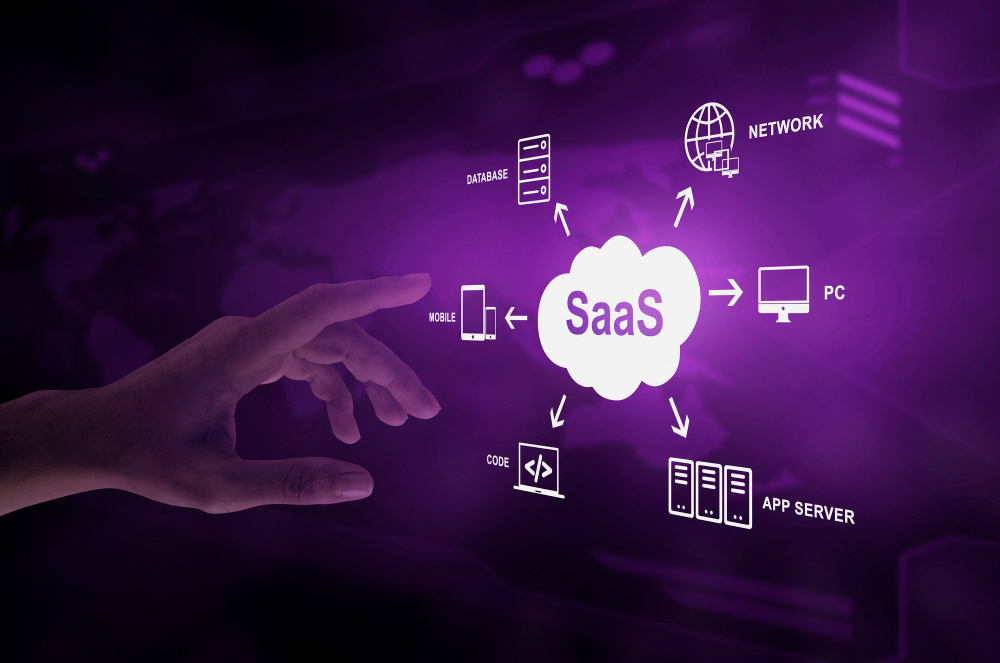
The main advantage of SaaS companies lies in their ability to provide cloud-based software to customers worldwide simultaneously. But this benefit also brings diverse legal frameworks. In the European Union, GDPR (General Data Protection Regulation) applies; in the U.S., HIPAA governs healthcare data; in Canada, PIPEDA; and in Turkey, KVKK regulates personal data protection. This forces SaaS companies to manage multilayered compliance frameworks.
Non-compliance can result not only in financial penalties but also in loss of brand reputation, customer trust, and market access. For example, GDPR violations can lead to fines of up to 4% of a company’s global annual turnover. Therefore, compliance is not only a legal requirement but also a strategic investment that provides a competitive advantage.
Every SaaS company operating globally must establish a structured compliance ecosystem, generally built on four key components:
For global SaaS providers, data is the most valuable asset. The collection, processing, and storage of user data must strictly comply with privacy laws such as GDPR, KVKK, and CCPA. These regulations mandate user consent, the right to data deletion, and data portability. Thus, a SaaS infrastructure should include transparent consent policies, user data management tools, and secure encryption protocols.
Adopting international security standards such as ISO 27001 or SOC 2 is vital for SaaS businesses. These frameworks ensure the confidentiality, integrity, and availability of information assets. Regular security testing, penetration analysis, and incident response planning are integral parts of the compliance process.
Global SaaS companies must adhere to various invoicing, taxation, and money transfer regulations in different jurisdictions. For instance, digital service taxes in Europe differ by country, while in the U.S., sales taxes vary by state. Operational compliance also covers licensing models, contract management, and service delivery terms.
Compliance is not only legal but also ethical. Informing users clearly about what data is collected and why fosters trust. SaaS brands should present privacy policies in simple, user-friendly language instead of complex legal jargon.
SaaS companies operating internationally may be subject to multiple regulations simultaneously. Below are the most recognized global standards:
Scope: Applies to any company processing personal data of EU citizens.
Requirements: Explicit consent, right to erasure, data portability, and breach notification.
Compliance Strategy: Create data processing maps, appoint a Data Protection Officer (DPO), and implement strong encryption policies.
The Turkish Data Protection Law (KVKK) mirrors GDPR in many ways, offering parallel compliance opportunities for SaaS providers. However, cross-border data transfer restrictions require special attention from Turkish SaaS companies using foreign cloud servers.
The California Consumer Privacy Act grants users greater control over their personal data, emphasizing consent, data sale restrictions, and deletion rights. It is a critical reference for U.S.-based SaaS companies.
Compliance is not a one-time project but an ongoing process. SaaS companies must establish both technical and administrative systems.
The first step is to identify which countries you operate in and the applicable regulations. Each jurisdiction has distinct data protection laws. The outcome is a “compliance map” showing data flow, user locations, and relevant legal frameworks.
Create clear, documented policies aligned with each regulation. These should be accessible to legal, administrative, and technical teams. Define procedures for data breaches, user data deletion, and third-party data sharing.
Compliance is a company-wide responsibility, not just management’s. Conduct internal training sessions, awareness campaigns, and regular tests. As teams internalize a “compliance culture,” processes become smoother and errors fewer.
Compliance isn’t static. Regulations evolve, and so must your policies and systems. Conduct periodic internal audits and collaborate with external auditors to ensure ongoing alignment.
| Phase | Objective | Example Activity | Responsible Unit |
|---|---|---|---|
| 1. Analysis | Identify compliance requirements | Compare GDPR, KVKK, and CCPA | Legal |
| 2. Planning | Develop policies and processes | Draft data access policy | Management |
| 3. Implementation | Apply technical measures | Encryption, data masking, security testing | IT |
| 4. Audit | Continuous monitoring and reporting | Internal audits, penetration tests | Compliance Team |
In cloud-based SaaS systems, the physical location of stored data is often unclear, making it a critical compliance issue. If data is transferred outside the EU, companies must use adequacy decisions or Standard Contractual Clauses (SCCs). Otherwise, they risk significant legal exposure.
Some countries (like Russia and China) mandate local data storage, directly influencing SaaS architecture. To address this, SaaS providers implement geo-fencing or multi-region server architectures to minimize risks.
AI-powered SaaS solutions are becoming increasingly common. However, because AI models process user data, they introduce a new layer of compliance. Requirements such as data anonymization, bias control, and ethical usage are now essential. The EU AI Act serves as a key reference for SaaS developers.
AI is no longer just a product feature—it is a compliance domain on its own. SaaS companies must document data sources and ensure traceability of datasets used in model training.
Global SaaS brands often face these difficulties:
Managing conflicting regulations across countries
Lack of transparency in data transfer processes
Data sharing with third-party services (APIs, payment systems, etc.)
Rising compliance costs
To overcome these, companies use centralized compliance management platforms that track regulations, send alerts for policy changes, and generate automated data flow reports.
In Turkey, compliance for SaaS companies is shaped by KVKK, E-commerce Law, and BTK regulations. According to KVKK, personal data cannot be processed without explicit consent, and data collection must serve specific, legitimate purposes.
For Turkish SaaS startups, data transfer authorization is a major challenge. Companies working with foreign cloud providers must either obtain permission from the Data Protection Authority or ensure contractual safeguards.
Compliant SaaS companies offer not just software but a secure and ethical experience. Users expect their data to be handled responsibly, which strengthens brand loyalty. Investors, especially in the B2B SaaS sector, view compliance as a marker of corporate maturity. A solid compliance foundation builds credibility with both customers and investors.
In the near future, SaaS compliance will move beyond regulatory tracking. Emerging trends such as compliance automation, AI-driven risk assessment, and proactive security monitoring will take center stage. SaaS businesses will come to see compliance not as an operational burden but as a key component of sustainable global growth.
in MarcaBien?

Free lawyer check within 24 hours

Registration, litigation support and trademark monitoring

Simple online and online 3-step process

Global branding services and support

Registration, litigation support and trademark monitoring
Your brand is safe with us with 95% success rate
Process Work

In order for a trademark to be registered, it must meet the distinctiveness criterion. Results and advice within 24 hours.

After completing the order, we will draft an application. Once approved, we will file it on your behalf, providing legal representation.

The application is evaluated by the relevant Intellectual Property Office (IPO), published and approved for possible objections.

After a successful registration, your trademark is valid from the date of application and retains the right of priority throughout the process.
Contact Us

Secure and register your brand!