Free lawyer check within 24 hours


Malaysia, one of Southeast Asia’s most dynamic economies, has become a rapidly expanding center of regional trade thanks to its production capacity, strong port infrastructure, export-oriented policies and multicultural workforce. The country’s economic structure allows investors to make long-term plans with confidence and enter the Asian market quickly with low operational costs. In this context, Malaysia company formation is not just a commercial procedure; it is a strategic investment that provides access to regional networks, operational efficiency and sustainable growth. With direct gateways to ASEAN economies, investment incentives and modern commercial regulations, Malaysia has earned its place as Asia’s hidden trade hub.
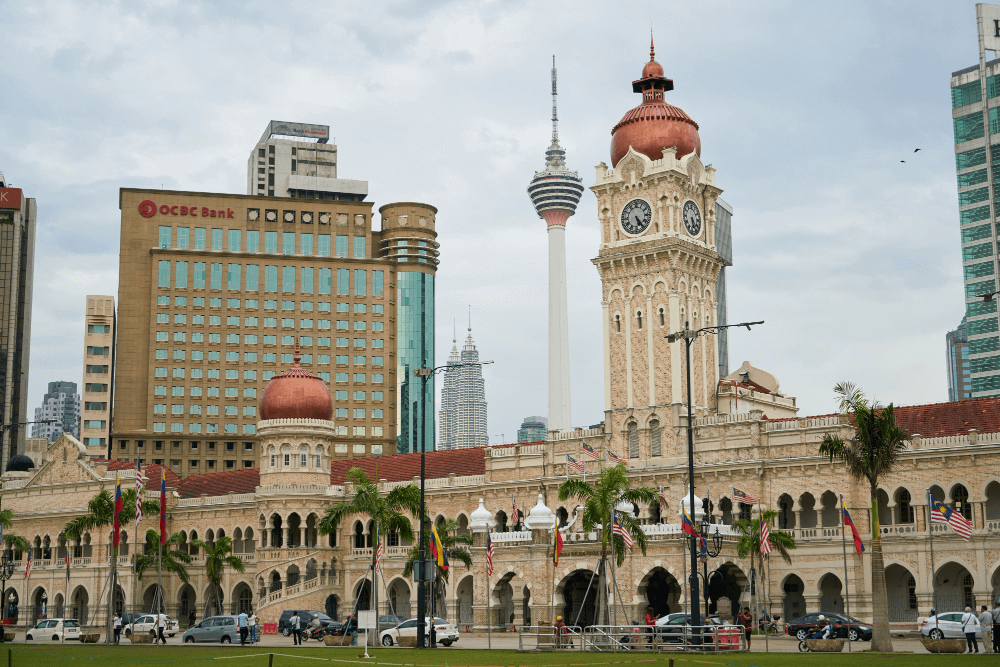
The primary factor that elevates Malaysia in Asia is its location at the intersection of three major regional economic corridors. Situated right at the heart of the Strait of Malacca—one of the busiest trade routes in the world—the country enjoys unmatched access to global transportation networks. Proximity to rapidly growing economies such as Singapore, Thailand, Indonesia and Vietnam offers exceptional flexibility in supply chain planning. Companies that choose Malaysia company formation gain logistical advantages that allow them to operate across vast regions from a single strategic center.
Hundreds of thousands of commercial vessels pass through the Strait of Malacca each year, making it one of the key arteries of global energy and raw material transportation. Malaysia’s Port Klang and Tanjung Pelepas rank among the world’s highest-volume ports, placing the country at a strategic point within the international trade network. This infrastructure creates major cost and speed advantages for businesses aiming to optimize their supply chains.
Malaysia’s economy presents a trusted market supported by a strong banking system, controlled inflation structure and stable monetary policies. The country’s investor-protective regulations minimize risks for business owners and strengthen operational continuity. This solid foundation makes Malaysia company formation an ideal step for medium- and long-term business planning.
The core reason behind the attractiveness of Malaysia's company formation process lies in its streamlined digital procedures, low startup costs and flexible company structures designed for foreign investors. The country uses a modern digital framework for company registration and licensing, ensuring smooth and uninterrupted application processes.
Through the digital platform managed by SSM, company name reservation, incorporation procedures and document submissions can be completed entirely online. This allows foreign investors to establish companies in Malaysia without being physically present. Registration is often finalized within a few days, enabling businesses to become operational rapidly. Speed is a critical advantage, especially in highly competitive sectors.
The Private Limited Company (Sdn Bhd) model is the most preferred structure among both local and foreign investors. This model offers limited liability and remarkable managerial flexibility. The ability of foreigners to hold majority shares—and in some sectors full ownership—makes Malaysia a highly attractive market for international entrepreneurs.
Malaysia has aligned its commercial laws with international standards, ensuring precise protection of investor rights. Contract law is strong and dispute resolution mechanisms function effectively. High legal security enables companies to craft long-term strategies with confidence.
Malaysia’s diverse business structures allow investors to select the model best suited to their operational goals. Among these, the Sdn Bhd structure stands out for its corporate governance strengths and operational flexibility.
Sdn Bhd companies offer strong corporate identity and international credibility. Capital structure is flexible, internal share transfers are simple and governance frameworks are clearly defined. This is why the Sdn Bhd model is preferred during Malaysia company formation—it offers both security and broad operational freedom.
A Sdn Bhd company requires at least one local director; however, this requirement does not impact the strategic control of foreign investors. The local director ensures legal compliance and supports the execution of international operations. Additionally, the ease of share transfer accelerates investors’ scaling strategies.
The Sdn Bhd structure accommodates a wide range of sectors, from manufacturing to e-commerce, consultancy and logistics. This flexibility allows companies to build strong foundations for their long-term expansion plans in Malaysia.
Malaysia’s tax structure is known for being investor-friendly. Competitive tax rates and robust incentive mechanisms simplify cost management for companies.
Corporate tax in Malaysia is set at 24%; however, lower tax brackets apply to certain small and medium-sized enterprises. The government also provides various tax exemptions for export-oriented companies. This system enhances the competitiveness of entrepreneurs who complete Malaysia company formation.
Manufacturing companies benefit from special incentive certificates, VAT exemptions and simplified raw material transfers. Businesses operating in free trade zones gain speed, efficiency and cost advantages in their import and export activities.
Malaysia has signed numerous double taxation agreements with countries worldwide, creating a critical financial advantage for globally active companies. These agreements help stabilize income streams and reduce cross-border taxation burdens.
Malaysia’s strong financial infrastructure ensures secure and fast banking procedures. Banks provide digital solutions that support commercial operations for businesses.
To open a corporate bank account in Malaysia, documents such as company registration files, shareholder identification, address verification and a business plan are required. Compliance checks are thorough, and applications are typically approved within a few days. The rapid availability of banking services after Malaysia company formation facilitates a smooth transition into operational activity.
Malaysia holds a leading position in digital banking within the region. E-invoicing systems, online collection tools, supply chain financing and electronic payment solutions significantly enhance operational efficiency for companies.
Malaysia offers a rapidly growing economy with high-potential industries. Each sector provides unique opportunities and expansion pathways for investors.
Malaysia has become one of Asia’s key manufacturing hubs in electronics, automotive components, chemicals, food processing and biotechnology. Modern production facilities and a skilled workforce allow companies to maintain high quality standards.
The growth rate of e-commerce exceeds regional averages. Malaysia is an investable market for software companies, fintech startups and digital service providers. Innovation hubs such as Tech Park Malaysia support the development of this ecosystem.
Malaysia’s ports hold strategic importance globally. As a result, Malaysia company formation offers substantial advantages for businesses operating in supply chain management, distribution and global transportation sectors.
Malaysia’s business environment is disciplined, structured and shaped by cultural diversity. The multicultural nature of the workforce helps companies build strategies from a broader perspective.
Decision-making processes are fast and professional communication is highly valued. Companies establish sustainable workflows through clear role definitions and operational discipline.
English proficiency in Malaysia is high, facilitating coordination with international companies. The presence of a young, educated population in technology, engineering and finance is a major advantage for investors.
To achieve lasting success in the Malaysian market, companies must develop effective scaling, digitalization and regional integration strategies.
ASEAN’s population exceeding 600 million creates a massive consumer base. Malaysia offers ideal logistical and financial infrastructure for entering this market.
Digital tools and automation systems reduce costs while increasing operational speed. Such investments help companies maintain sustainable competitiveness.
Malaysia’s cultural diversity allows brands to reach various consumer groups effortlessly. Localized product strategies support faster brand expansion.
Malaysia’s advanced logistics infrastructure, central position in international trade, investor-friendly regulations and multi-sector growth potential turn Malaysia company formation into a strategic opportunity for businesses seeking a lasting position in the Asian market. Companies operating within this strong economic structure can achieve sustainable commercial success, accessing both regional and global markets with speed and efficiency.
in MarcaBien?

Free lawyer check within 24 hours

Registration, litigation support and trademark monitoring

Simple online and online 3-step process

Global branding services and support

Registration, litigation support and trademark monitoring
Your brand is safe with us with 95% success rate
Process Work

In order for a trademark to be registered, it must meet the distinctiveness criterion. Results and advice within 24 hours.

After completing the order, we will draft an application. Once approved, we will file it on your behalf, providing legal representation.

The application is evaluated by the relevant Intellectual Property Office (IPO), published and approved for possible objections.

After a successful registration, your trademark is valid from the date of application and retains the right of priority throughout the process.
Contact Us

Secure and register your brand!