Free lawyer check within 24 hours

The world of NFTs has opened a new frontier for digital artists, musicians, and creators everywhere. Unlike traditional art markets, NFT platforms offer truly global access — allowing anyone, anywhere, to mint, sell, and trade unique digital assets. However, entering this space requires understanding the NFT marketplace registration process worldwide.
Whether you’re a digital artist in Asia, a designer in Europe, or a photographer in South America, this guide explains how to register on global NFT marketplaces, what to prepare, and how to position yourself for international success.
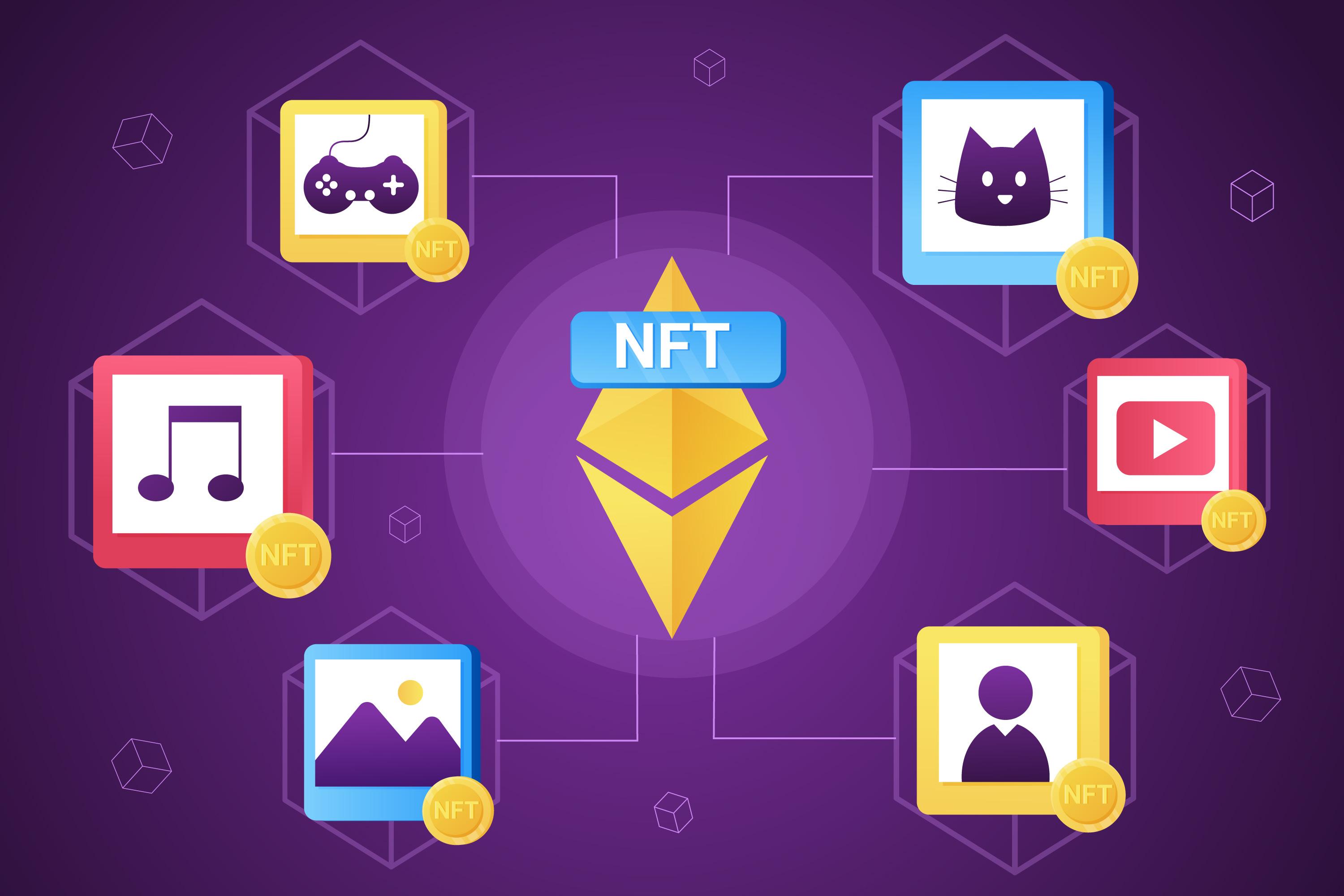
An NFT (Non-Fungible Token) is a digital certificate of ownership recorded on the blockchain. These tokens represent unique items — such as artwork, music, video clips, or even virtual real estate.
NFT marketplaces are the platforms where these assets are created (“minted”), listed, bought, and sold. Each marketplace has its own registration process, fee structure, and supported blockchain network (Ethereum, Polygon, Solana, etc.).
As the NFT industry continues to grow worldwide, understanding how these platforms work and how to register correctly is essential for visibility, credibility, and earning potential.
Before registering, you must choose which platform fits your goals as a creator. There are hundreds of NFT marketplaces globally, but they can be grouped into three categories:
Platforms like OpenSea, Rarible, and LooksRare allow anyone to create and sell NFTs. These sites are beginner-friendly, making them perfect for independent artists who want instant global access.
Websites such as Foundation, SuperRare, or Nifty Gateway are selective and focus on high-quality, limited-edition art. Registration often requires an invitation or application process.
For creators targeting specific audiences, platforms like Magic Eden (Solana) or Objkt (Tezos) cater to distinct artistic communities and have unique onboarding rules.
When choosing where to register, consider:
The blockchain’s transaction (gas) fees.
The marketplace’s audience and art style.
Payment options (crypto or credit card).
Global exposure and reputation.
NFT marketplaces operate on blockchain technology, meaning you’ll need a digital wallet to manage your identity and funds.
The most commonly used wallets include:
MetaMask (Ethereum, Polygon)
Phantom (Solana)
Trust Wallet (multi-chain)
Temple Wallet (Tezos)
During registration, your wallet acts as your login method — there’s no traditional username or password. Instead, you connect your wallet directly to the NFT marketplace.
For security, always create a backup of your seed phrase and never share it with anyone. This phrase is the only way to recover your wallet if lost.
After setting up your wallet, go to your chosen NFT platform and look for a button such as “Connect Wallet” or “Sign Up.”
Here’s a general overview of how NFT marketplace registration worldwide works:
Connect your digital wallet to the platform.
Verify your account (some require email or social media authentication).
Set up your creator profile — include your name, bio, and links to social channels.
Agree to the marketplace’s terms of service and privacy policy.
Some marketplaces require KYC (Know Your Customer) verification, especially if they support fiat payments. This may include uploading an ID document or proof of residence.
Once you’ve completed these steps, you officially have access to a global NFT platform — your gateway to minting and selling digital art to collectors worldwide.
Minting is the process of converting your digital file into a blockchain asset. Each marketplace has a slightly different minting process, but the general workflow includes:
Uploading your digital file (JPG, PNG, MP4, or audio).
Adding metadata: title, description, and collection name.
Setting royalties — the percentage you earn from future resales.
Paying a gas fee (if applicable) to complete the minting process.
Some platforms now offer “lazy minting,” meaning you don’t pay any upfront fees until the NFT is purchased. This makes it easier for beginners to start selling without high initial costs.
To succeed on international NFT platforms, presentation is everything. A professional, well-optimized profile can attract more global collectors.
Here’s what to include:
A clear artist photo or logo.
A bio that tells your creative story in English (and optionally in another language for wider appeal).
Links to your portfolio, Instagram, or website.
A consistent visual theme across your collections.
Since you’re selling globally, it helps to write clear and accessible descriptions that avoid complex slang. Collectors from Asia, Europe, or the Americas should easily understand your vision.
Creating NFTs is just the beginning — promotion drives visibility. Use global platforms like Twitter (X), Discord, Instagram, and Reddit to share your new drops, connect with communities, and announce sales.
Join NFT groups where international artists gather. Participate in collaborations or cross-promotions to expand your audience beyond borders.
Consider writing short blog posts or newsletters about your creative process. Transparency and storytelling build trust, especially among global collectors who value authenticity.
One of the advantages of NFT marketplace registration worldwide is seamless global payment. Because transactions happen on the blockchain, artists can receive payments from anywhere in the world instantly.
However, it’s important to understand the cryptocurrency aspect:
Always check the marketplace’s supported tokens (ETH, SOL, MATIC, etc.).
Transfer earnings from your wallet to a secure storage or exchange platform if you plan to convert them to fiat.
Keep records for tax reporting, as NFT earnings may be taxable in your country.
Being organized with your financial tracking ensures long-term sustainability and compliance, no matter where your buyers are located.
Once you’ve established yourself on one platform, consider expanding to others for more visibility. Many successful international NFT artists maintain profiles on several global NFT marketplaces simultaneously.
Diversification helps you:
Reach different collector communities.
Explore various blockchain ecosystems.
Gain credibility as a global artist.
Just ensure that each piece you mint is unique to one platform unless explicitly stated otherwise. Duplicating NFTs across sites can confuse collectors and harm your reputation.
To succeed internationally, consistency and credibility matter most. Here are a few tips:
Keep your branding unified across platforms.
Use secure, verified links for all transactions.
Research cultural trends to appeal to diverse audiences.
Regularly engage with your followers and collectors.
Document your sales history — it builds trust and boosts value.
The NFT world moves fast, but genuine artistry and professional presentation always stand out.
Imagine a digital illustrator from Nigeria who registers on OpenSea. Within days, their artwork is viewed by collectors from the U.S., Japan, and Germany. A single piece sells, generating instant crypto payment — no middlemen, no shipping, no barriers.
This is the essence of NFT marketplace registration worldwide: borderless opportunity. It’s a digital revolution that empowers artists everywhere to showcase creativity, earn recognition, and build sustainable income streams from their art.
Registering on NFT marketplaces worldwide is more than a technical process — it’s an entry into a global creative economy. By choosing the right platform, setting up your wallet, minting authentic art, and building a professional brand, you open doors to collectors across continents.
The world is shifting toward digital ownership and decentralized creativity. Now is the time to claim your place in it.
With the right approach, your next collector could be anywhere — because in the NFT world, art travels faster than ever.
in MarcaBien?

Free lawyer check within 24 hours

Registration, litigation support and trademark monitoring

Simple online and online 3-step process

Global branding services and support

Registration, litigation support and trademark monitoring
Your brand is safe with us with 95% success rate
Process Work

In order for a trademark to be registered, it must meet the distinctiveness criterion. Results and advice within 24 hours.

After completing the order, we will draft an application. Once approved, we will file it on your behalf, providing legal representation.

The application is evaluated by the relevant Intellectual Property Office (IPO), published and approved for possible objections.

After a successful registration, your trademark is valid from the date of application and retains the right of priority throughout the process.
Contact Us

Secure and register your brand!