Free lawyer check within 24 hours


Opening a Shopify store from abroad has become one of the most effective ways in recent years for entrepreneurs who want to enter the global e-commerce market quickly and with relatively low costs. Especially now that it’s much easier to sell internationally without opening a physical store, Shopify’s infrastructure turns this opportunity into a far more accessible business model. In this guide, we explain step by step how to get started with Shopify from abroad, which stages you need to pay attention to, and all the key details from payment methods to company structure.
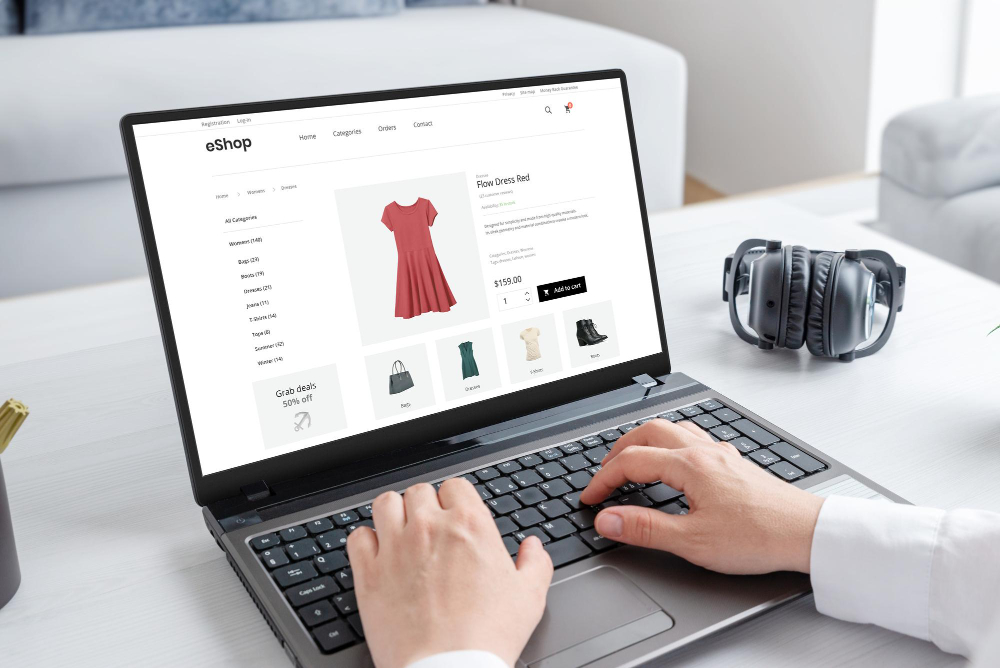
The fact that Shopify is a global platform allows you to build a professional e-commerce site no matter where in the world you live. Because the technical infrastructure is managed by Shopify, entrepreneurs don’t need to deal with coding, servers, security, or software updates and can instead focus solely on sales and growth. At this point, one of the most frequently asked questions is: “I live abroad—will my country cause any problems when using Shopify?” The answer is no. Shopify is designed for international use, and your country of residence only creates some differences in payment options and tax settings.
In addition, Shopify’s theme system, app store, payment integrations, marketing tools, and customer communication features together create a powerful ecosystem where you can set up and run your business quickly and efficiently.
Those who want to open a Shopify store from abroad often find themselves asking questions like “Where should I start?”, “Do I have to set up a company?” or “How will I get paid?”. In this guide, we clarify all these points in a straightforward way.
Technically, you can open a Shopify store without having a registered company. The platform offers a trial period and lets you add products. However, most international payment providers (such as Stripe or PayPal) require company information. So the clearest answer to this question is: if you want to build a professional and sustainable business, you should have a company.
That said, the process of setting up a company varies from country to country. In some countries, being a sole trader or sole proprietor is enough; in others, you need a limited company or another formal business structure. It’s also important to remember that the payment integrations Shopify offers you will differ depending on the country where your business is registered.
When opening a Shopify store from abroad, one of the most critical questions is whether the payment methods you want are supported. In countries where Stripe is available, managing your store and receiving payments is far more convenient. For this reason, when choosing the country in which your store will be based, we strongly recommend checking compatibility with payment providers. The country you select for your Shopify account plays a major role in the verification documents required by payment processors.
In this section, we explain in detail all the stages you will encounter when opening a Shopify store from abroad. The process may look complex at first glance, but it basically consists of a few logical steps.
After signing up to Shopify, you need to choose your store name and configure the main settings. One of the most common questions at this stage is: “Can I change my store name later?” Yes, your store name and brand name can be changed; however, your initial store URL is quite important for branding and SEO, so making a good choice from the beginning is wise.
During setup, you configure some essential settings, including:
currency,
tax rates,
shipping zones and regions,
store language,
customer notification preferences.
Configuring these correctly from the start ensures that your future campaigns, pricing, and shipping options work smoothly.
Shopify’s product management interface is very user-friendly. You can easily manage product descriptions, photos, variants, and inventory. The most frequently asked question at this stage is: “Should product descriptions be long?” Yes; detailed, explanatory, and SEO-friendly descriptions provide a major advantage for both Google rankings and customer trust.
At the same time, setting up a clear, logical collection structure makes it much easier for visitors to find the products they’re looking for inside your store.
The free themes offered by Shopify are sufficient at the beginner level. However, for a more professional look and more advanced customization, premium themes offer much greater flexibility. When choosing a theme, you should pay close attention to:
fast loading speed,
mobile responsiveness,
clean and modern design,
solid SEO-friendly structure.
Overly complex designs usually reduce conversion rates. That’s why the main goal should be a store that is stylish but simple, easy to navigate, and fast.
When opening a Shopify store from abroad, one of the most critical stages is adding payment methods. Because Shopify Payments is not available in every country, merchants often turn to alternatives such as:
Stripe,
PayPal,
Payoneer- or Wise-based solutions.
At this point, one of the most frequently asked questions is: “Can I receive payments using a Turkish bank account?” Theoretically, this is possible in some cases, but most international payment providers require a bank account in the same country as the registered business address. For this reason, setting up a company in the country where you live and using a local bank account is generally a much healthier and more sustainable solution.
A Shopify store is not just about technical setup. If tax, shipping, and international delivery processes are not structured properly, the business model can quickly become unsustainable. In this section, we explain the most critical points.
Tax management on Shopify varies by country. For example, when selling to European Union member states, you may need to comply with systems such as OSS (One-Stop Shop). This leads to frequent questions like: “Will VAT be calculated automatically when selling to Europe?” Shopify can make the process easier, but you still need to understand and comply with each country’s tax rules.
For those using Shopify from abroad, shipping is a decisive factor. If you live outside of your main target market, you can use local courier companies or postal services. Those selling from Turkey to international markets, for example, often choose options such as:
PTT international shipping,
global couriers like DHL, UPS, or FedEx,
third-party fulfilment centers.
Fulfilment services can take care of warehousing, packing, and shipping your products, which can be a major advantage, especially in the early stages when you want to focus on marketing and growth instead of logistics.
Dropshipping is one of the most commonly used business models among entrepreneurs living abroad and building stores with Shopify. One of the most frequently asked questions here is: “Do I need to have a registered company to do dropshipping?” Yes. Payment providers require company information, and having an official business structure also makes your relationships with suppliers more professional and trustworthy.
Shopify’s dropshipping integrations (such as DSers, Spocket, and others) make it quite easy to add products and manage orders. However, the key to success lies in choosing the right products and working with reliable suppliers who can maintain quality and deliver on time.
In this section, we clearly explain the most common problems new entrepreneurs face and how to solve them.
This problem usually arises from issues such as:
address verification errors,
mismatched bank information,
incomplete or inconsistent company documents.
Ensuring that all your information—address, company, and bank details—belongs to the same country generally speeds up the approval process and reduces the risk of rejection.
Store performance is another common issue. In most cases, unnecessary apps, large image files, or heavy themes slow down page loading times. This directly affects your conversion rates. Using a clean design, removing unnecessary apps, and optimizing your images can solve the problem fairly easily.
Another frustrating situation is running ads but not getting any sales. This is usually caused by factors such as:
targeting the wrong audience,
a store design that does not inspire trust,
a product that is not a good fit for the target market.
Once your Shopify store is live, conversion optimization becomes extremely important. Optimizing your product pages, improving your store’s credibility signals, and tightening your ad targeting are all key steps to turning traffic into actual sales.
To ensure that your store is competitive in the global market, you need to apply some core strategies correctly and consistently. Among the most important of these are:
writing SEO-friendly, persuasive product descriptions,
using a fast and minimal store design,
running well-targeted and data-driven social media ads,
clearly presenting trustworthy payment and refund policies,
using Shopify apps that provide automation in the right way rather than installing every possible plugin.
With these strategies in place, your store becomes not just a basic sales platform, but a professional brand showcase that builds trust and converts visitors into loyal customers.
Opening a Shopify store from abroad may seem complicated at first glance, but when you move forward with the right information and a clear plan, it turns into a highly manageable and scalable business model. Since we have explained the entire process step by step in this guide, you can now see much more clearly which step to take and when as you get started with Shopify, and you’ll be able to make a strong entry into selling at a global scale.
in MarcaBien?

Free lawyer check within 24 hours

Registration, litigation support and trademark monitoring

Simple online and online 3-step process

Global branding services and support

Registration, litigation support and trademark monitoring
Your brand is safe with us with 95% success rate
Process Work

In order for a trademark to be registered, it must meet the distinctiveness criterion. Results and advice within 24 hours.

After completing the order, we will draft an application. Once approved, we will file it on your behalf, providing legal representation.

The application is evaluated by the relevant Intellectual Property Office (IPO), published and approved for possible objections.

After a successful registration, your trademark is valid from the date of application and retains the right of priority throughout the process.
Contact Us

Secure and register your brand!