Free lawyer check within 24 hours


Starting a business in the United Arab Emirates provides a strategic opportunity for international investors seeking to position themselves within a strong economy at the center of global trade flows. The UAE’s stable political environment, advanced financial infrastructure, modern logistics capacity and low-tax framework create a unique ecosystem that supports sustainable business growth. Company formation processes—both in free zones and mainland structures—are designed to be highly accessible. This accessibility enables entrepreneurs to define their business activities accurately and establish a reliable operational foundation. Investment-friendly reforms introduced in recent years have accelerated company registration and visa procedures, helping new ventures adapt more easily to the UAE market.
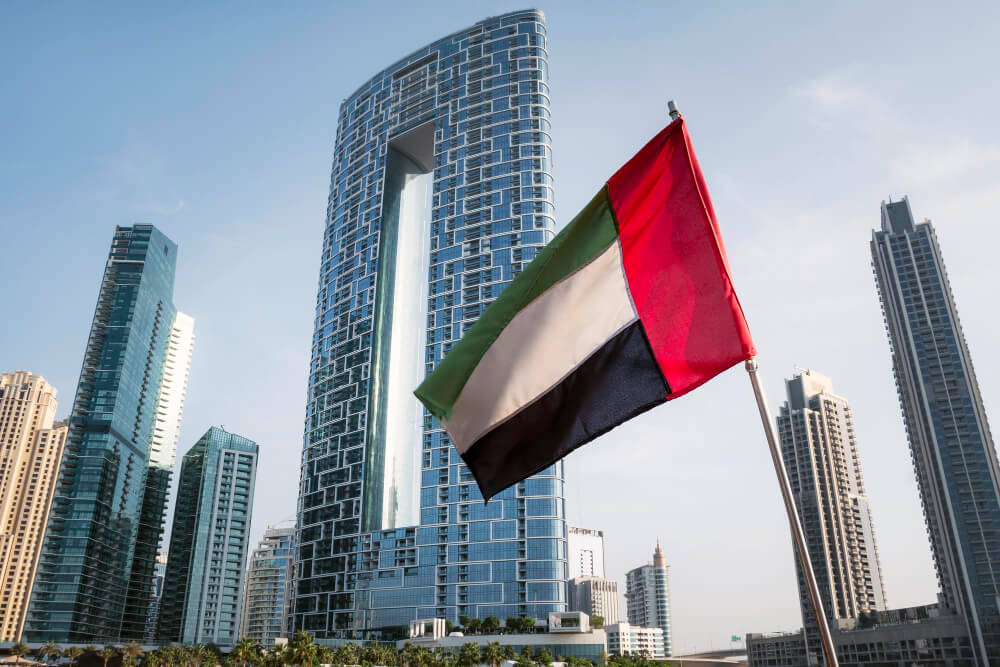
The first strategic step in forming a company in the UAE is determining the legal structure under which the business will operate. This decision directly affects the operational model, tax obligations, ownership rights and market access. The UAE offers three main structures: Mainland, Free Zone and Offshore companies. Each model carries different advantages and limitations based on the entrepreneur’s goals. Free zones attract significant interest due to 100% foreign ownership, while mainland companies offer access to the broader UAE market and are preferred by those seeking expanded commercial activity.
According to the UAE Ministry of Economy, more than 60% of new company registrations take place in free zones. This reflects entrepreneurs’ preference for low-risk and fast-setup environments. Because each structure has specific requirements, selecting the right one is the foundation of the entire formation journey.
Entrepreneurs must answer key strategic questions before choosing a business structure:
In which market will the product or service be offered?
Will operations focus solely on the UAE or target global markets?
Is the investment designed for long-term growth or rapid entry?
The answers shape not only the legal structure but also cost planning and licensing procedures.
Key documents include passport copies, name reservation certificates, activity licenses, the incorporation agreement and share distribution details. Consistent and accurate documentation is essential for timely registration. Since the UAE verifies documents electronically, the preparation stage becomes one of the most critical phases of company formation.
Choosing among Mainland, Free Zone and Offshore structures requires a clear understanding of target markets, capital planning and growth strategies. Each model offers different ownership rules, regulatory boundaries and operational advantages.
Mainland companies allow businesses to operate anywhere within the UAE, making them ideal for large-scale operations. This structure is especially advantageous for retail, logistics, construction and service sectors. Recent reforms granting 100% foreign ownership in many industries have further increased the appeal of mainland companies. Additional advantages include eligibility for government tenders and the ability to engage directly with the domestic market.
Free zones allow entrepreneurs to establish companies quickly and at lower costs. Key advantages include full foreign ownership, tax exemptions and simplified visa procedures. With more than 40 free zones across the UAE—each specializing in technology, logistics, media, finance or other sectors—companies can operate within highly specialized ecosystems. This structure is particularly beneficial for export-oriented businesses.
The Offshore model is suitable for businesses that do not conduct commercial activity within the UAE but require a corporate structure for global operations. It is commonly used for asset management, holding companies and international contract management. This model offers cost advantages because it does not require a physical office.
Selecting the correct license type is fundamental because it defines the scope of activities the company may legally perform. The UAE offers three main license categories: commercial, professional and industrial licenses. Operating outside the defined scope is prohibited.
In free zones, licensing processes are fast and efficient, often taking 2–5 business days. On the mainland, licensing authorities vary by activity, and processes can be more detailed. Additional approvals are required in regulated sectors such as food, healthcare, education, financial services and transportation.
The UAE’s low-tax framework is one of its biggest attractions. For many years, the corporate tax rate was 0%; however, a 9% corporate tax is now applied to businesses exceeding a certain income threshold. This policy still supports the growth of small and medium-sized enterprises.
Value-added tax (VAT) is applied at a rate of 5%. Businesses that exceed the mandatory revenue threshold must register for VAT. Compliance involves regular reporting, digital recordkeeping and electronic invoice management.
Late submissions may result in significant penalties. Therefore, establishing a professional accounting system from day one is essential. Free zone companies must also understand how cross-border activity affects VAT obligations.
A corporate bank account is mandatory for business operations. The UAE’s banking system is known for strong security and detailed verification procedures. Banks evaluate the business model, shareholder information, expected transaction volume and capital sources.
Required documents include company formation papers, passports, residency visas and proof of address. Corporate accounts are typically activated within 10–20 business days. Multi-currency accounts offer significant advantages for companies involved in international trade.
A registered office address is required for company incorporation. Free zones commonly accept virtual offices, allowing cost-effective compliance with address requirements. Mainland companies, however, may require a physical office depending on the activity. The office address also serves as a point of reference for inspections, licensing checks and bank verification.
Foreign entrepreneurs who establish businesses in the UAE may apply for investor visas, employee visas and family visas. The investor visa is the most preferred option because it provides long-term residency and administrative privileges. Free zones offer fast and efficient digital systems for managing visa applications.
After incorporation, building a well-defined operational structure is essential for sustainable growth. Most UAE-based companies focus on establishing strong digital infrastructure, accounting systems, contract management processes and supply chain frameworks. With a high concentration of multinational firms, adhering to international standards is a major competitive advantage.
Human resources management also plays a key role. Employment contracts, payroll systems and social security registrations must be closely monitored. The UAE’s international workforce provides businesses with access to a wide talent pool.
The UAE offers significant opportunities due to high consumer spending power and strong tourism activity. Dubai and Abu Dhabi, in particular, attract entrepreneurs with stable demand and diverse markets. Understanding consumer behavior, competitor positioning and industry trends is essential for building a strong market entry strategy.
Sectors such as e-commerce, fintech, logistics and professional services have shown rapid growth, making them highly attractive to new ventures.
The UAE is one of the most digital-ready countries globally. High-speed internet, advanced e-government systems and strong cybersecurity standards support modern business operations. Companies must invest in digital identity, SEO-compliant websites, CRM platforms and data protection systems to maintain competitiveness.
Although the UAE offers a stable economic environment, global market fluctuations still require companies to build resilient business models. Risk analysis, crisis management, supply chain security and financial planning enable businesses to adapt quickly under changing conditions. This resilience enhances long-term sustainability in the highly competitive UAE market.
in MarcaBien?

Free lawyer check within 24 hours

Registration, litigation support and trademark monitoring

Simple online and online 3-step process

Global branding services and support

Registration, litigation support and trademark monitoring
Your brand is safe with us with 95% success rate
Process Work

In order for a trademark to be registered, it must meet the distinctiveness criterion. Results and advice within 24 hours.

After completing the order, we will draft an application. Once approved, we will file it on your behalf, providing legal representation.

The application is evaluated by the relevant Intellectual Property Office (IPO), published and approved for possible objections.

After a successful registration, your trademark is valid from the date of application and retains the right of priority throughout the process.
Contact Us

Secure and register your brand!