Free lawyer check within 24 hours


The step-by-step process of establishing a W.L.L. (With Limited Liability) company in Kuwait offers a solid institutional foundation thanks to the broad rights granted to foreign investors, the energy- and finance-driven economy, the country’s strategic Gulf location, and its advanced commercial infrastructure. As one of the highest per-capita-income economies in the Middle East, Kuwait provides large-scale opportunities for capital-focused projects, international partnerships, and export-oriented business models. The W.L.L. structure—with its flexible shareholding, low legal risk, and investor-friendly regulatory environment—enables entrepreneurs to establish operations with confidence. This model is particularly attractive for businesses in trade, logistics, construction, oil and gas services, financial consulting, healthcare, technology, and retail. Under Kuwait’s Vision 2035 economic diversification program, incentives for foreign investors have expanded and incorporation processes have become faster and more transparent.
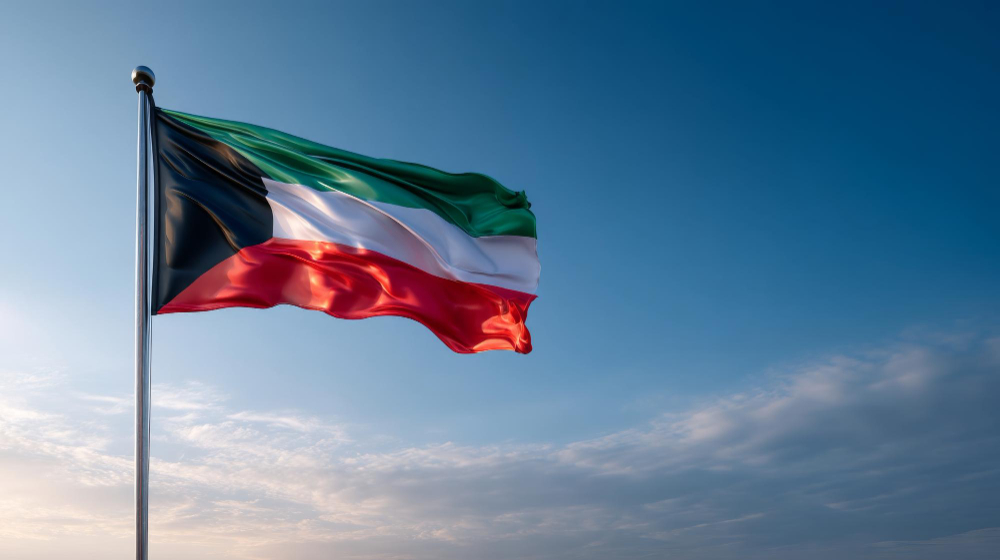
Kuwait offers one of the most stable and high-income economic environments in the region for international investors seeking to establish a regional base. Trade volume, financial stability, and strategic location collectively provide strong advantages for businesses.
Kuwait’s oil-based financial stability gives foreign investors long-term economic security. With its resilience against regional crises, Kuwait supports sustainable business growth strategies. Special investment incentives, tax exemptions, and import facilifications offer significant advantages in certain sectors.
Kuwait is highly integrated with GCC countries. Its land borders with Saudi Arabia and Iraq, along with strong trade routes to Qatar, Bahrain, and the UAE, position it as a logistics hub for regional expansion. This allows companies established in Kuwait to penetrate GCC markets rapidly.
Kuwaiti legislation allows foreign investors full ownership in certain sectors. The protection of investments, secure commercial rights, and transparent incorporation processes simplify market entry for international businesses.
The W.L.L. structure is the most commonly used company model in Kuwait. It minimizes legal risks for investors while providing operational flexibility.
Shareholder liability is limited to contributed capital
Can be formed by two or more shareholders
Foreign investors may hold majority shares (sector dependent)
Low operating cost and easy management
Strong credibility with banks, suppliers, and customers
This model is suitable for both small enterprises and large foreign investment partnerships.
W.L.L. companies offer more protection and simplicity than sole proprietorships, while being more flexible than joint-stock companies. They are ideal for ventures in technology, consulting, logistics, import-export, oil services, and retail.
Kuwait’s company registration system is structured and transparent. Providing complete documentation speeds up incorporation.
Copies of shareholders’ passports
Agreement outlining share distribution
Company name and business activity description
Articles of Association
Declaration of legal address in Kuwait
Director appointment resolution
Signature specimens
Notarized or consular-approved documents (if required)
Documents must be prepared in Arabic or translated by an authorized agency. Corporate investors may require additional verifications.
A valid commercial address—or approved virtual office address—is mandatory for forming a W.L.L. in Kuwait. Depending on licensing type, this address may be inspected.
W.L.L. establishment follows a structured, digitally supported workflow. The entire process typically takes 2–4 weeks.
The first step is determining the company's activity codes, which directly influence licensing obligations and regulatory requirements.
The Ministry of Commerce and Industry verifies and reserves the company name. It must be unique and compliant with naming regulations.
The Articles of Association outline corporate governance, share distribution, and decision-making processes. A professionally drafted document strengthens long-term compliance.
The minimum capital for a W.L.L. varies by sector but typically starts around 1,000 KWD. After depositing the capital, the bank issues a capital block certificate.
All documents are submitted to the registry. Upon approval, the company receives its official registration number and gains legal operating rights.
Different sectors require specific licenses, including:
Financial advisory services
Medical services
Logistics and transportation
Retail operations
Oil and gas support services
Proper management of licensing is crucial for timely operational launch.
Kuwait does not impose personal income tax; however, foreign-owned companies may be subject to corporate profit tax. All W.L.L. employees must be registered in the social security system.
Kuwait’s tax structure is simple and advantageous for foreign investors, supporting effective financial planning.
Corporate tax applies only to foreign companies and is set at 15%. Increasing local ownership can reduce this tax burden.
Kuwait does not currently impose VAT, offering cost benefits to businesses. Customs duties vary depending on product type.
Annual financial statements must undergo independent audit. Consistent reporting enhances corporate credibility.
The W.L.L. model aligns well with Kuwait’s rapidly developing economic sectors.
Kuwait is a strategic global energy hub, offering large-scale opportunities in maintenance, drilling, engineering, and energy logistics.
Mega-projects, residential developments, and industrial facilities keep the construction sector dynamic, presenting opportunities in supply chain, engineering, and project management.
There is high demand for fintech solutions, risk management, asset valuation, and corporate consulting services.
Kuwait collaborates with international companies to expand its healthcare capacity. Medical devices, laboratory services, and digital health solutions show strong growth potential.
High per-capita spending makes Kuwait a robust market for retail and online commerce.
Kuwait’s banking infrastructure is one of the strongest in the Gulf region.
A bank account can be opened quickly using company registration documents and signature records. Multi-currency accounts allow flexibility in international trade.
Through SWIFT integration, global transfers are fast and reliable.
SME loans, project finance packages, and investment funds support business expansion.
Work permits are essential for foreign investors seeking to expand operations.
The company must hold an active license
Job role must be defined
Employee must undergo a medical examination
Immigration approvals must be obtained
Permits are typically issued for one year and can be renewed.
Kuwait hosts a large pool of skilled expatriate professionals, particularly in engineering, finance, retail, and healthcare.
Proper operational structuring directly affects time and cost efficiency.
Modern office spaces are available in Kuwait City, Hawalli, and Farwaniya. Storage facilities offer strong capacity for logistics and trading companies.
Invoicing, tax submissions, employee registrations, and trade licensing processes are conducted via digital systems, improving operational efficiency.
Kuwait’s ports, road networks, and air freight capacity ensure high efficiency across logistics operations.
Long-term success in Kuwait requires proper planning, strong relationship management, and professional operational systems.
Demand trends, competition levels, and consumer behavior should be monitored continuously.
Kuwait’s business culture is relationship-oriented. Local partners help accelerate processes and build trust.
Accurate accounting and consistent reporting strengthen corporate reputation.
Companies that quickly adapt to market changes gain competitive advantage.
Kuwait’s strong economic structure, investor-friendly regulations, and strategic Gulf position make it a high-potential environment for foreign entrepreneurs. With the right company model, solid operational planning, and sustainable growth strategies, W.L.L. companies can secure a strong position in the Kuwaiti market in a short time.
in MarcaBien?

Free lawyer check within 24 hours

Registration, litigation support and trademark monitoring

Simple online and online 3-step process

Global branding services and support

Registration, litigation support and trademark monitoring
Your brand is safe with us with 95% success rate
Process Work

In order for a trademark to be registered, it must meet the distinctiveness criterion. Results and advice within 24 hours.

After completing the order, we will draft an application. Once approved, we will file it on your behalf, providing legal representation.

The application is evaluated by the relevant Intellectual Property Office (IPO), published and approved for possible objections.

After a successful registration, your trademark is valid from the date of application and retains the right of priority throughout the process.
Contact Us

Secure and register your brand!