Free lawyer check within 24 hours


Ethiopia, one of Africa’s fastest-growing economies, has become a powerful investment hub attracting global manufacturers thanks to its accelerating industrial development, low operational costs and state-supported industrial policies. The country’s rapidly developing industrial parks, export-driven policies and strategic geographic position enable international producers to play an active role in regional and global supply chains. In this framework, Ethiopia company formation is not merely a market-entry model; it is a strategic decision that optimizes production costs, expands export capacity and supports long-term growth. The modernization of industrial infrastructure, rapid expansion of sustainable energy investments and the strong potential of the country’s young workforce make Ethiopia a unique opportunity space for global manufacturers.
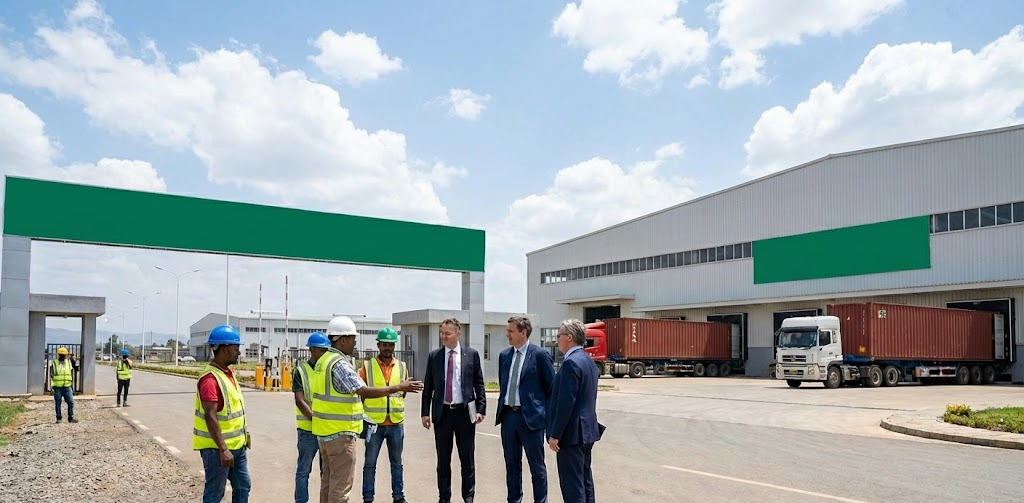
The rapid development of Ethiopia’s manufacturing sector stems primarily from government-supported industrialization programs and incentive packages designed to attract international investment. The country is located in one of East Africa’s most advantageous logistical corridors. Strategic transportation routes providing access to the Red Sea allow manufacturers to reach global markets at reduced costs. The simplification of Ethiopia company formation procedures enables foreign investors to begin manufacturing operations quickly.
As a nation where more than 70% of the population is young, Ethiopia offers immense workforce potential. This demographic advantage provides a labor force that is both cost-competitive and adaptable to production-driven industries. Government investment in education and vocational training programs enhances workforce quality year after year, especially within industrial park ecosystems.
Ethiopia’s connection to major global trade routes through Djibouti creates low-cost export opportunities for manufacturers. The high-capacity railway line between Djibouti Port and Addis Ababa significantly reduces transport time. This logistics strength helps companies that complete Ethiopia company formation gain rapid access not only to African markets but also to the Middle East and Europe.
Ethiopia is one of the African continent’s lowest-cost production environments. Energy prices, labor costs and factory rents are significantly below global averages. This makes the country highly attractive for companies seeking competitive production costs. Ethiopia shows rapid growth particularly in sectors such as textiles, apparel, footwear, food processing and machinery manufacturing.
The Ethiopia company formation process is highly efficient thanks to modernized legal procedures, simplified registration mechanisms and investor-protective regulations. Bureaucratic hurdles faced by foreign investors have been minimized, and registration systems have been digitalized.
Direct answer to the first paragraph:
Ethiopia company formation is advantageous because the process is fast, investment incentives are strong, property rights for foreigners are protected and special support programs exist for production-focused industries.
Foreign investors in Ethiopia may own 100% of their company. Restrictions on ownership structures are minimal, allowing international manufacturers full control over management and operational processes. Investor rights are protected within a clearly defined legal framework.
The company registration systems overseen by Ethiopia’s Ministry of Trade and Industry operate through digital platforms that finalize applications quickly. Company name reservation, operational permits, investment certificates and tax registration procedures can be completed in a few steps. These streamlined procedures allow firms completing Ethiopia company formation to begin production without delay.
Investment licenses granted for manufacturing activities offer benefits such as simplified import procedures, tax reductions, customs exemptions and long-term VAT discounts in certain sectors. These incentives enable manufacturers to launch operations with significantly lower costs from the outset.
Ethiopia has built numerous industrial parks over the past decade, offering manufacturers modern facilities. These zones support production processes with ready-made infrastructure, logistics connectivity and tax incentives.
Industrial parks such as Hawassa, Bole Lemi, Kombolcha, Mekelle and Dire Dawa provide world-class infrastructure. Factories in these zones enjoy:
Continuous access to electricity and water
Fast-track customs processing
Low rental costs for long-term production
Proximity to a trained and abundant workforce
These advantages reduce operational risks and accelerate growth for companies undergoing Ethiopia company formation.
Industrial parks typically focus on the following sectors:
Textiles and apparel
Leather goods and footwear
Food processing
Chemical industries
Light machinery manufacturing
With strong government incentives in these areas, international interest in Ethiopia continues to rise rapidly.
Ethiopia’s tax system provides special reductions designed to support the manufacturing sector. Lower tax rates in prioritized industries and exemption periods for new investors increase company profitability.
Direct answer:
Manufacturers that complete Ethiopia company formation may obtain corporate tax exemptions ranging from 2 to 7 years under an investment license.
New manufacturing facilities receive varying periods of tax reductions depending on their geographic location and the priority level of the sector. This incentive model significantly lowers initial operational costs.
Investors are exempt from customs duties on imported machinery and equipment used in production. Additionally, reduced duties apply to raw material imports. These incentives bring manufacturing costs in Ethiopia to competitive global levels.
Export-oriented firms benefit from strong VAT refund mechanisms. Moreover, low labor costs reduce income tax burdens.
To ensure the smooth operation of manufacturing activities, companies must open a local bank account. Ethiopia’s banking system is highly regulated and supports foreign investors through comprehensive corporate banking services.
Direct answer:
To open a bank account in Ethiopia, company registration documents, an investment license, director identifications and a clear description of business activities are required.
The National Bank of Ethiopia closely supervises financial institutions, ensuring security for investor funds. Commercial banks operating in the country provide specialized credit models and corporate accounts for manufacturing businesses.
Exporting companies can manage their foreign currency earnings under favorable conditions. Procedures related to foreign exchange transfers are transparent and designed to minimize investor risk.
Ethiopia has strong potential in production-focused industries. Investors can scale their production lines quickly thanks to the country’s strategic advantages.
Ethiopia is rapidly becoming one of Africa’s largest textile producers. Low labor costs, strong government incentives and high-capacity industrial parks make the sector extremely attractive.
The country’s diverse agricultural resources create strong demand for modern food processing facilities. Companies investing in this area gain access to both domestic and export markets.
Accelerated industrialization increases demand for machinery and equipment. Companies completing Ethiopia company formation can capture market share across Africa by meeting this growing need.
Leather is one of Ethiopia’s traditionally strong sectors. There is significant export potential in processed leather and footwear.
Ethiopia’s business environment is disciplined and receptive to development. Understanding local culture helps foreign investors manage operations more efficiently.
Teamwork is strong in Ethiopia. Employees value structured and clear communication. Continuous investment in vocational training improves workforce quality in the production sector.
Direct feedback, structured meetings and clear task definitions support efficient management. Strong cooperation between foreign investors and local managers increases operational productivity.
To achieve sustainable success in Ethiopia, manufacturers must implement strong strategies.
Ethiopia offers access to a market of 1.3 billion people through the African Continental Free Trade Area. This creates a strong foundation for long-term growth strategies.
As technology adoption increases in production facilities, efficiency improves. Investors who transition to automation systems gain significant cost advantages.
Ethiopia’s advancing industrial infrastructure enables brands to establish regional value chains. Companies with strong export capacity become more visible in global markets.
Thanks to its young workforce, low production costs, modern industrial parks, strong incentive programs and strategic geographic location, Ethiopia company formation represents a unique investment model for manufacturers. Businesses that correctly leverage these advantages can secure a strong position in Africa’s rising industrial economy and achieve long-term commercial success.
in MarcaBien?

Free lawyer check within 24 hours

Registration, litigation support and trademark monitoring

Simple online and online 3-step process

Global branding services and support

Registration, litigation support and trademark monitoring
Your brand is safe with us with 95% success rate
Process Work

In order for a trademark to be registered, it must meet the distinctiveness criterion. Results and advice within 24 hours.

After completing the order, we will draft an application. Once approved, we will file it on your behalf, providing legal representation.

The application is evaluated by the relevant Intellectual Property Office (IPO), published and approved for possible objections.

After a successful registration, your trademark is valid from the date of application and retains the right of priority throughout the process.
Contact Us

Secure and register your brand!