Free lawyer check within 24 hours


The roadmap to establishing a company in Iraq requires the accurate management of legal requirements, investment processes and operational structures within a developing market full of opportunity. Iraq’s restructuring economic infrastructure, vast potential in the energy sector, strategic location between the Middle East and Europe and policies welcoming foreign investors position the country as a strong business destination. Revenue generated from the oil industry and the increasing facilitation of foreign corporate activity enable entrepreneurs to develop growth plans in a legally secure environment. In recent years, digitized registration systems have shortened processing times, making company formation more accessible.
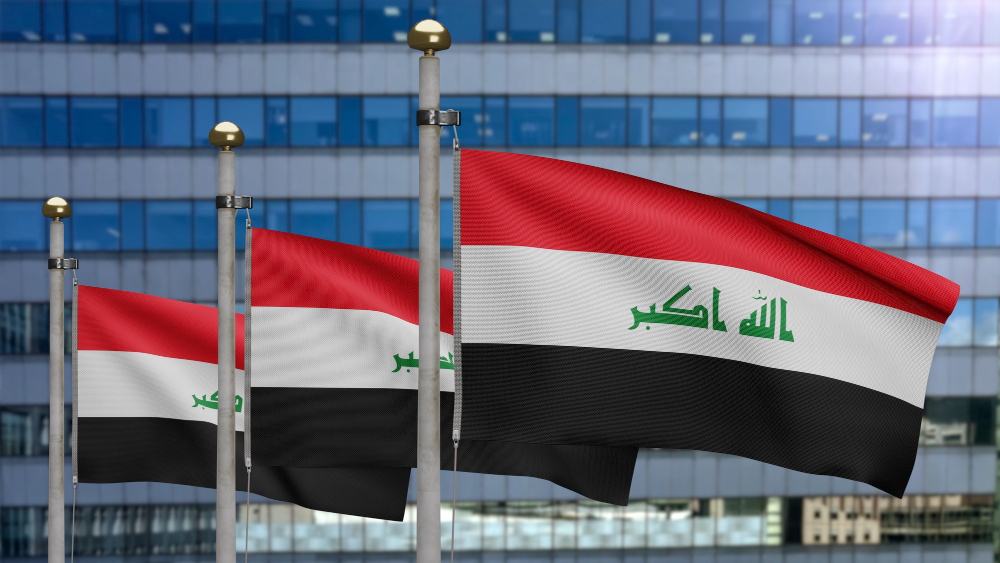
The first step in forming a company in Iraq is determining the legal structure under which the business will operate. This step is foundational because the chosen structure directly influences capital requirements, management frameworks, tax obligations, liability exposure and licensing procedures. The Federal Companies Law of Iraq provides a clear legal framework outlining the formation process for both domestic and foreign investors. Choosing the appropriate structure strategically ensures the company is placed on a stable foundation both financially and operationally.
According to data published by the Iraqi Ministry of Trade, the majority of companies established in the country choose the Limited Liability Company model. With more than 60% opting for this structure, it is clear that foreign investors prefer business models with low risk and flexible governance structures. Therefore, starting the formation process with a well-planned strategy accelerates registration and simplifies compliance.
Selecting a company name in Iraq requires both compliance with Arabic naming standards and ensuring uniqueness. The Ministry of Trade’s digital platform confirms name availability and prevents duplication. The approved name becomes the foundation of the company’s commercial identity and appears in every official document.
Accurate preparation of formation documents is essential. The Articles of Association must be drafted in Arabic, and any foreign documents require notarization and translation. Identity documents, address statements, authorization papers and capital details must be clearly defined. Proper documentation allows seamless registration with both the tax authorities and the commercial registry.
Company structure selection in Iraq depends on the sector and operational needs. The economy is heavily concentrated in energy, logistics, construction, mining and import–export activities. Strategic evaluation of the appropriate structure is therefore critical.
The LLC is the most preferred structure for entering the Iraqi market. It offers limited liability, low incorporation costs and flexibility favored by foreign investors. Requiring at least two shareholders, the model protects owners by limiting liability to the invested capital, which is a strong trust factor for investors.
The LLC structure is widely used across energy projects, trading activities and distribution operations. Its flexible governance model also enables international companies to form local partnerships. The structure’s fast licensing process offers a strategic advantage, especially in import and logistics sectors.
The JSC model is suitable for large-scale investments and participation in government tenders. Its divisible share structure facilitates the formation of local partnerships. For companies operating in energy and infrastructure sectors, the JSC is often preferred due to its governance standards and suitability for capital-intensive projects.
Iraqi law allows foreign companies to open branch offices. A branch does not hold separate legal personality, meaning all liability remains with the parent company. This model enables rapid market entry for international companies, particularly in sectors such as energy, telecommunications and construction. Due to strict compliance requirements, the registration process must be handled carefully.
Obtaining a tax identification number and registering with the Ministry of Finance are mandatory for business operations in Iraq. Tax obligations vary across industries and may include income tax, corporate tax and withholding tax. According to the Iraqi Tax Authority, 40% of penalties imposed on new businesses arise from delayed reporting—highlighting the critical importance of timely compliance.
Income reporting and corporate tax declarations must be submitted regularly. Payroll reporting, insurance procedures and withholding obligations vary depending on the business sector. Financial records must comply with Iraqi accounting standards and are subject to regular audits. For this reason, establishing a professional accounting system from day one is essential.
Opening a bank account in Iraq is crucial for officially recording capital deposits and managing business operations. Banks evaluate the Articles of Association, commercial registration documents and tax identification number before approving the account. According to the Central Bank of Iraq, digital banking usage increases by approximately 12% each year, offering enhanced convenience for foreign investors.
Corporate accounts serve fundamental functions such as international transfers, payroll transactions and supplier payments. Companies operating in major projects often prefer multi-currency accounts to maintain compatibility with international banking systems.
Every company in Iraq must have a registered business address for receiving official correspondence. This address represents the legal location of the company. Foreign investors often start with virtual or rented office solutions, which are widely accepted. Without address verification, commercial registration cannot be completed.
Appointing a legal representative is also mandatory. Although the representative is not required to reside in Iraq, having a local appointee accelerates proceedings. The legal representative manages communications with authorities, signs contracts and validates tax filings—ensuring secure and compliant operations.
Many sectors in Iraq require special licenses. Industries such as energy, oil and gas, food production, healthcare and mining are subject to additional inspection and regulatory approval. Licenses issued by the Ministry of Oil are especially crucial for companies entering the energy sector. According to the Iraqi Chamber of Commerce, around 28% of businesses experience delays due to missing permits—emphasizing the importance of correct licensing.
Proper selection of activity codes, precise preparation of required documents and timely completion of local inspections strengthen regulatory alignment and operational stability.
After formation, building a strong internal operational structure is essential for sustainable growth. In Iraq’s competitive market, efficient organizational systems enhance both local and international competitiveness. Professional accounting frameworks, contract management systems, supply chain processes and reporting mechanisms contribute to trust-based business relationships.
In the human resources domain, proper recruitment practices, employment contract management and performance evaluation systems support operational success. Iraq’s labor market varies significantly across regions, and industries such as energy and construction often require specialized talent.
The Iraqi market shows significant regional diversity. Consumer behavior, commercial density and logistical infrastructure differ from province to province. Comprehensive market research is therefore essential before making investment decisions. Data from the Iraqi Statistics Authority shows strong annual growth in e-commerce and logistics, revealing new opportunities for digitally oriented businesses.
Market research helps companies understand demand levels and competitive landscapes, enabling accurate positioning of products and services.
Iraq has experienced rapid digital transformation in recent years. Robust web infrastructure, mobile compatibility, data protection and digital document management have become essential components of modern business operations. Cybersecurity reports indicate that approximately 40% of small and medium-sized enterprises in Iraq face cyber threats—a clear sign that security investments are no longer optional.
Strong digital systems enhance customer management, operational efficiency, supply chain visibility and financial reporting.
Although Iraq holds strong economic potential, it remains sensitive to global fluctuations and regional developments. Building corporate resilience is essential for long-term success. Financial risk assessments, supply chain safeguards, operational audits and crisis planning enable companies to respond quickly to unexpected challenges.
Businesses with strong resilience strategies experience less disruption during market volatility and maintain competitive advantages in Iraq’s dynamic business landscape.
in MarcaBien?

Free lawyer check within 24 hours

Registration, litigation support and trademark monitoring

Simple online and online 3-step process

Global branding services and support

Registration, litigation support and trademark monitoring
Your brand is safe with us with 95% success rate
Process Work

In order for a trademark to be registered, it must meet the distinctiveness criterion. Results and advice within 24 hours.

After completing the order, we will draft an application. Once approved, we will file it on your behalf, providing legal representation.

The application is evaluated by the relevant Intellectual Property Office (IPO), published and approved for possible objections.

After a successful registration, your trademark is valid from the date of application and retains the right of priority throughout the process.
Contact Us

Secure and register your brand!