Free lawyer check within 24 hours


International KYC verification is a comprehensive verification framework that defines standards for global identity verification processes, enhances security in financial transactions and regulates compliance requirements. With the acceleration of cross-border trade, digital banking and international financial services, KYC structures have evolved into a global compliance mechanism. This verification system helps prevent illegal activities by examining the authenticity of individuals’ and businesses’ identity information, their financial background and risk profile. For the modern financial ecosystem, this structure has become the cornerstone of a secure transaction infrastructure.
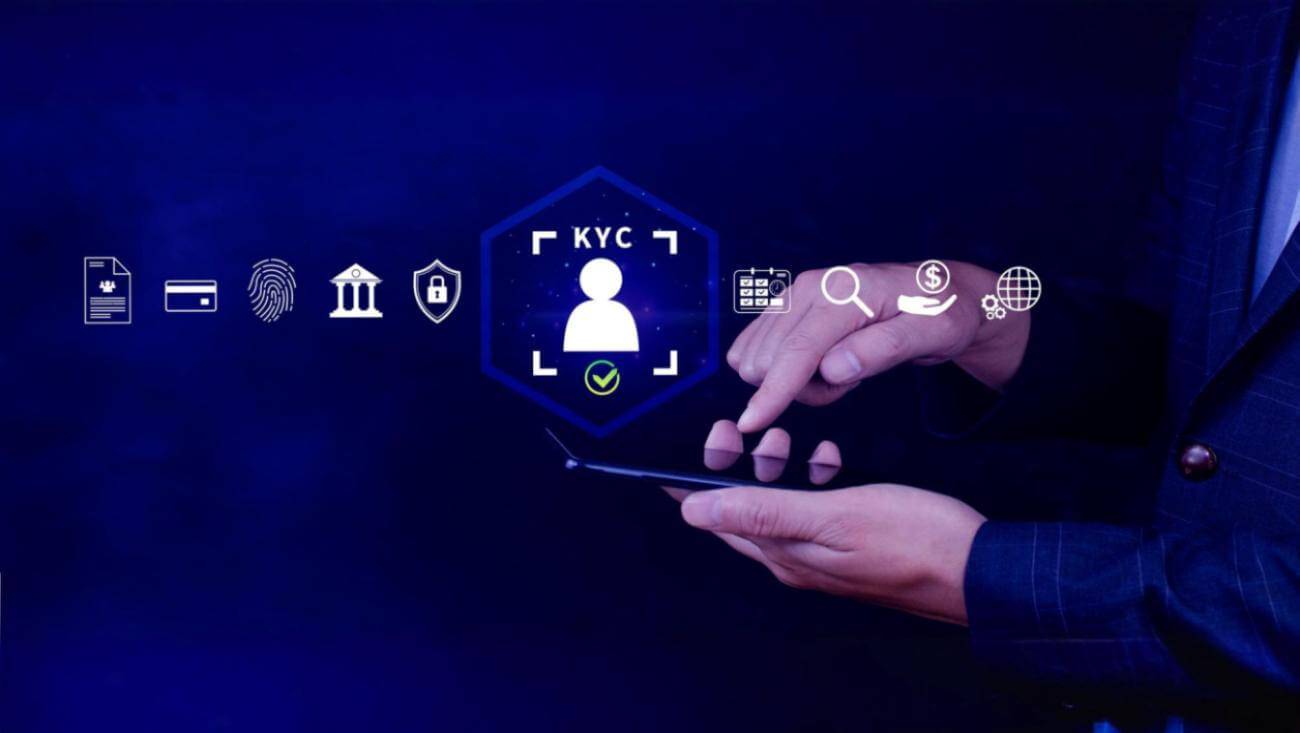
International KYC verification is a global framework that harmonizes different countries’ regulations and standardizes identity verification processes. This verification aims to reduce risks such as money laundering, terrorist financing, tax evasion, digital fraud and identity theft. The KYC process is not limited to checking an identity document; it includes a multi-layered review of a person’s or business’s identity, address, source of funds, transaction habits and risk level.
KYC at the international level is shaped by the guidance of national financial regulators, FATF recommendations and banking standards. This structure has become mandatory not only for traditional financial institutions but also for crypto-asset service providers. Due to the rapidly increasing volume of digital transactions, KYC is now recognized as a core compliance requirement not just for banks but also for e-commerce platforms, fintech companies and cross-border service providers.
The international KYC framework consists of five core components that standardize the verification process:
Identity identification
Address verification
Risk assessment
Ongoing monitoring
Compliance reporting mechanisms
Together, these components create a holistic control model that secures global transactions. Especially for institutions handling high-volume financial operations, the ongoing monitoring phase provides a critical layer of security.
The growth of the digital economy has caused identity verification processes to diverge from traditional models. Online documents, biometric verification, facial recognition systems and AI-powered risk analysis tools have transformed KYC processes from manual procedures into automation-based structures. This transformation has shortened verification times in cross-border transactions while reducing error rates.
According to global finance research, digital KYC processes reduce verification times by an average of 60% and lower compliance costs for businesses.
Although KYC processes differ from one country to another, international regulations unify the fundamental standards. This harmonization mechanism plays a vital role in protecting global financial security. Thanks to the global cooperation of regulatory authorities, the scope of KYC processes has expanded, and common definitions have been developed especially for cross-border transactions.
The main frameworks forming the backbone of these regulations include:
FATF recommendations
European Union AML directives
US FinCEN rules
OECD and global financial monitoring reports
International organizations encourage countries to adopt common verification criteria in the fight against financial crime. This ensures that international KYC standards remain up to date.
FATF (Financial Action Task Force) is the most important global monitoring body used in the fight against money laundering and terrorist financing. Its recommendations expand the scope of KYC obligations in member countries and assess non-compliance through risk reports.
It is well known that countries found non-compliant in FATF evaluations face serious restrictions in their financial transaction flows. For this reason, many countries update their KYC procedures in line with FATF standards.
European Union AML directives impose strong KYC requirements for digital identity verification and cross-border trade. These directives require financial institutions to regularly update their risk analysis of customers. E-commerce merchants, fintechs and payment institutions are also covered by these standards.
The directives have increased the use of biometric data in digital identity verification and contributed to diversification of security layers.
For businesses that engage in international trade, accept digital payments or provide cross-border services, KYC verification is an essential security component. Conducting identity verification is not only a legal obligation; it is also a preventive mechanism that reduces fraudulent transactions, financial losses and reputational risk.
Businesses that do not implement KYC processes may face the following risks:
High monetary penalties
Freezing or closure of accounts
Being classified as high risk in international compliance lists
Loss of customers and reputational damage
Legal sanctions
These risks are particularly critical for ventures that aim to expand into global markets.
Properly implemented KYC processes enhance security for both businesses and customers. They prevent malicious users from registering on platforms, reduce fraudulent payment attempts and lower digital fraud risks. This layer of security provides a strategic advantage that supports the long-term growth of businesses.
Many marketplaces and payment providers do not include businesses with KYC deficiencies in their partnership programs. This demonstrates that KYC is an important element that creates competitive advantage.
The risk-based model does not require applying the same level of verification to every customer. Verification levels are determined according to criteria such as transaction volume, geographical location, source of funds and sector. This structure ensures that KYC processes are both flexible and effective.
While additional verification steps are required for high-risk categories, basic identity checks may be sufficient for low-risk users. This model helps businesses optimize their compliance costs.
International KYC verification relies on modern technological infrastructure. Digital verification tools test the authenticity of documents and validate user identities with high accuracy. These tools enable institutions to reduce manual workload while increasing security levels.
Technical components used in digital KYC tools include:
OCR-based document recognition
Biometric facial verification
Liveness detection
Blockchain-based identity verification solutions
AI-powered risk assessment models
These solutions allow verification processes to be completed within seconds while providing strong protection against fraud.
Biometric verification is a technology that uses unique personal data such as facial recognition, fingerprints or iris scans to authenticate identity. This system has significantly reduced the use of forged documents.
Studies show that biometric verification reduces attempted identity fraud by more than 90%. As a result, biometric verification has become one of the most important components of international KYC systems.
AI models analyze user behavior and transaction history to determine risk levels. This analysis can identify details that might be overlooked by human reviewers. AI-based systems are widely used, particularly on cross-border payment and investment platforms.
AI support has made KYC verification dynamic. Since user profiles change over time, AI ensures continuous updates, keeping risk management effective.
International KYC verification is carried out according to specific steps. These steps may vary depending on each organization’s internal compliance policies, but the core structure is similar across most sectors.
The main steps of KYC verification are:
Collecting identity information
Verifying documents
Determining address
Conducting risk assessment
Creating a customer profile
Ongoing monitoring and updating
Implementing these steps fully brings the business in line with global compliance standards.
Documents such as passports, national ID cards, driver’s licenses or residence permits obtained from the user are uploaded to verification systems. OCR technology automatically analyzes document data and performs fraud checks.
For address verification, documents such as bank statements, official letters from public institutions or utility bills are used. Address verification is an important part of money-laundering risk analysis.
In international trade, one of the critical elements of KYC is verifying the source of funds. The user’s income source, business model and transaction frequency are evaluated within this analysis. For users conducting high-volume transactions, the process becomes more comprehensive.
This analysis is a mandatory step for maintaining financial transparency.
Although KYC processes have been strengthened through automation, there are still various challenges in international verification. In some countries, identity data may not yet be digitized; differences in document formats and inconsistencies in address verification can prolong the process.
Common issues include:
Attempts at document forgery
Low-resolution document uploads
Regulatory differences between countries
Incompatibilities in address verification systems
Insufficient data-sharing mechanisms
Advanced verification algorithms and global data networks are used to overcome these issues.
As global finance continues to digitalize, KYC structures are becoming smarter, faster and more integrated. Advanced verification technologies are approaching a level where identity information can be verified under a single global digital identity system.
Key factors shaping the future perspective include:
Universal digital identity infrastructures
Blockchain-based identity chains
Automated compliance systems
Advanced AI models for risk analysis
Real-time global verification networks
This transformation will raise security standards in international trade to a much higher level.
International KYC verification is one of the fundamental building blocks that make secure commercial transactions possible in the digital world. It ensures the validation of identity information, the proper functioning of risk analysis and the transparency of the global financial system. This robust infrastructure enables businesses to adopt a sustainable and secure model for cross-border transactions.
in MarcaBien?

Free lawyer check within 24 hours

Registration, litigation support and trademark monitoring

Simple online and online 3-step process

Global branding services and support

Registration, litigation support and trademark monitoring
Your brand is safe with us with 95% success rate
Process Work

In order for a trademark to be registered, it must meet the distinctiveness criterion. Results and advice within 24 hours.

After completing the order, we will draft an application. Once approved, we will file it on your behalf, providing legal representation.

The application is evaluated by the relevant Intellectual Property Office (IPO), published and approved for possible objections.

After a successful registration, your trademark is valid from the date of application and retains the right of priority throughout the process.
Contact Us

Secure and register your brand!